Learn how to stay calm under pressure with proven techniques that build unshakeable composure. Discover practical strategies to manage stress and perform your best when it matters most.
Table of Contents
Introduction
I still remember the moment my hands started shaking during a presentation that could’ve changed my career trajectory. My mind went blank, my throat tightened, and I could feel every eye in that conference room burning into me. That’s when I realized something crucial: knowing what to do under pressure means nothing if you haven’t trained yourself how to stay calm under pressure when everything feels like it’s collapsing.
Pressure doesn’t announce itself politely. It shows up during job interviews, difficult conversations, tight deadlines, financial decisions, and moments when failure feels catastrophic. According to the American Psychological Association, nearly 77% of people regularly experience physical symptoms caused by stress and pressure. But here’s what I’ve learned after years of stumbling through high stakes situations: learning how to stay calm under pressure isn’t about eliminating the pressure itself, it’s about rewiring how your nervous system responds to perceived threats.
In this guide, you’ll discover practical techniques to maintain steady composure during challenging moments, understand the psychology behind pressure responses, and build resilience that transforms anxiety into focused performance. This isn’t about pretending everything’s fine when it’s not. It’s about developing genuine internal stability that holds even when external circumstances feel chaotic.
Understanding Why Pressure Hijacks Your Calm.
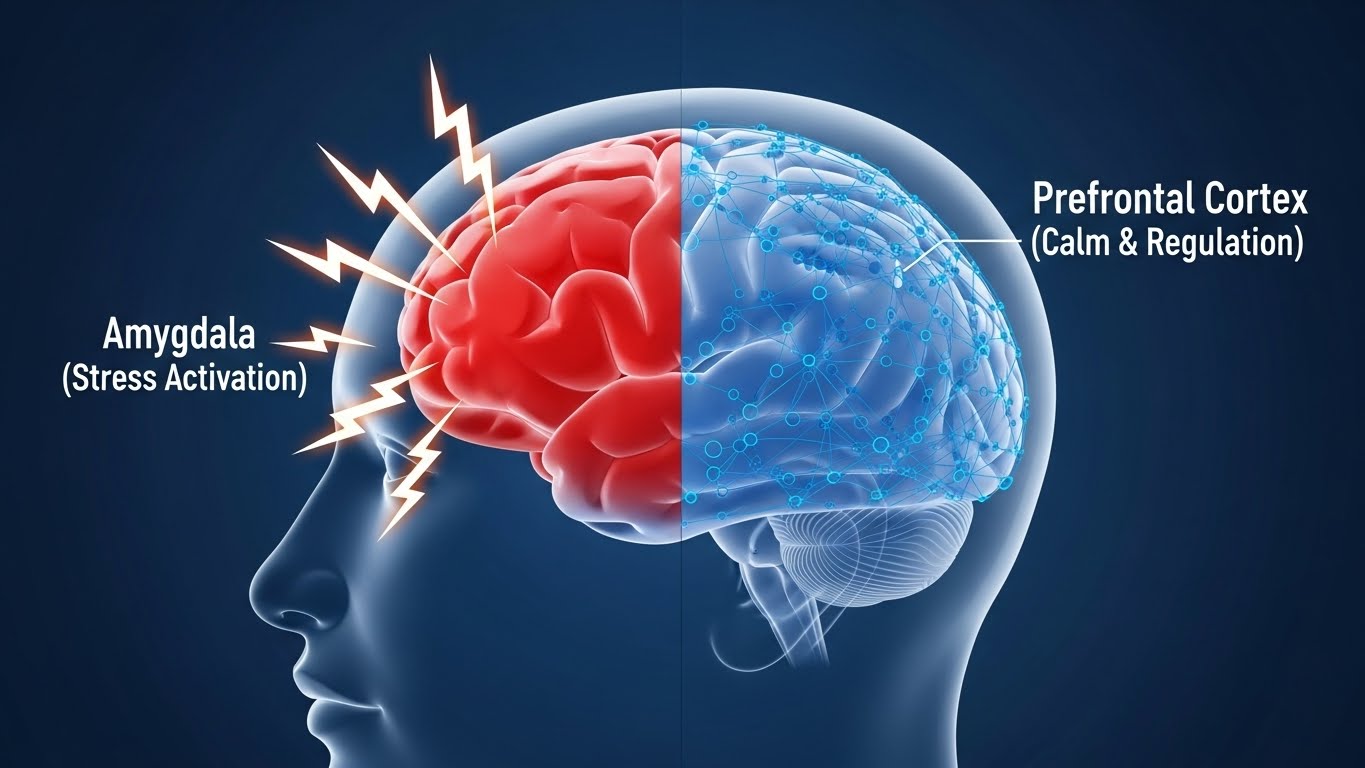
Pressure activates your brain’s threat detection system, triggering physiological responses that override rational thinking and flood your body with stress hormones.
I used to think I was just “bad under pressure.” Turns out, my amygdala the brain’s alarm system was doing exactly what evolution designed it to do. When you face high stakes situations, your brain can’t always distinguish between a physical threat and a psychological one. A looming deadline activates the same fight or flight response as encountering danger in the wild. Understanding how to stay calm under pressure begins with recognizing these biological responses.
Mindful Warm Ups: 7 Primal Triggers for Pre Workout Focus.
This happens because your sympathetic nervous system releases cortisol and adrenaline within milliseconds. Your heart rate spikes. Your muscles tense. Your prefrontal cortex, the part responsible for clear thinking and decision making temporarily goes offline. I’ve experienced this countless times: standing in front of a room full of executives, feeling my carefully prepared thoughts evaporate like morning fog.
The real problem isn’t the pressure itself. It’s that we’ve never been taught how to consciously shift from reactive mode to responsive mode. When you understand that your racing heart and shallow breathing are features, not bugs, you can start working with your nervous system instead of fighting against it. The moment I stopped judging myself for feeling anxious and started recognizing it as a biological process, everything shifted. This awareness is fundamental to how to stay calm under pressure in any situation.
Proven Approach Questions:
- What physical sensations do you notice first when pressure builds?
- Can you recall a specific moment when pressure completely overwhelmed your ability to think clearly?
- How do you currently interpret your body’s stress signals as weakness or as information?
- What stories do you tell yourself about why you struggle under pressure?
- When have you successfully moved through pressure, even if imperfectly?
Mastering the Physiological Reset.
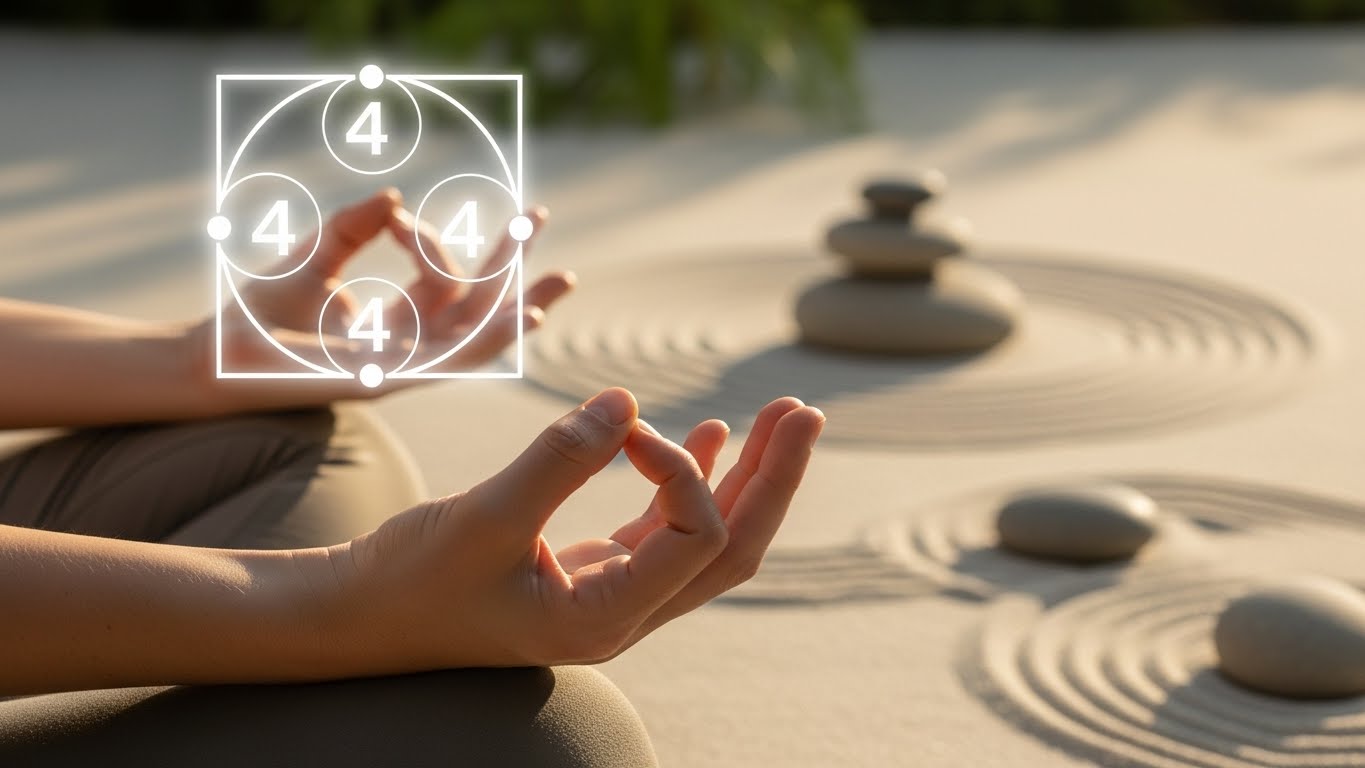
The fastest way to stay calm under pressure is to deliberately interrupt your stress response through controlled breathing and body based interventions.
Here’s what nobody told me for years: you cannot think your way out of a physiological panic response. I wasted so much energy trying to mentally convince myself to “just relax” while my body was screaming danger signals. It’s like trying to reason with a fire alarm the alarm doesn’t care about your logic. Mastering how to stay calm under pressure requires working directly with your physiology.
The technique that changed everything for me was box breathing, used by Navy SEALs and emergency responders. Inhale for four counts, hold for four, exhale for four, hold for four. Repeat. This simple pattern activates your parasympathetic nervous system your body’s natural calming mechanism. During a particularly intense negotiation last year, I excused myself for ninety seconds, did three rounds of box breathing in the hallway, and returned with completely different energy. This is one of the most reliable methods for how to stay calm under pressure when you need immediate results.
But breathing alone isn’t always enough. I’ve learned to combine it with physical grounding techniques. Press your feet firmly into the floor. Squeeze your fists for five seconds, then release. Touch something cold or textured. These micro actions send signals to your brain that you’re safe, pulling you out of abstract anxiety and into concrete present moment awareness.
The progressive muscle relaxation method works like a pressure valve. Tense each muscle group for five seconds starting with your toes and moving upward, then release completely. This physical contrast helps discharge the tension your body accumulates during stressful situations. I do this before every important meeting now, and it’s become as essential as reviewing my notes.
Proven Approach Questions:
- How many times per day do you pause to consciously check in with your breathing?
- What physical habits do you default to when stress builds clenching jaw, hunching shoulders, holding breath?
- Can you identify a quiet space in your daily environment where you could practice these techniques?
- What’s your biggest barrier to implementing body based calming strategies?
- When was the last time you felt genuinely relaxed in your body, and what made that possible?
Read more articles on “mindset Development” to get deep insight about how it shapes our reality.
Reframing Pressure as Performance Fuel.
Anxiety and excitement produce nearly identical physiological responses learning to reinterpret pressure sensations transforms how your brain processes stressful situations.
This might sound counterintuitive, but trying to eliminate pressure often makes it worse. I spent years attempting to avoid anything that made me anxious, which only shrunk my comfort zone and amplified my fear response. The breakthrough came when I discovered research showing that high performers don’t experience less pressure, they interpret it differently. This reframing is crucial for how to stay calm under pressure consistently.
Your racing heart before a presentation? That’s energy mobilizing to help you perform. Your heightened alertness during a crisis? That’s your brain sharpening focus. The key is consciously labeling these sensations as “I’m getting ready” instead of “I’m falling apart.” I started saying out loud, “I’m excited” instead of “I’m nervous,” even when it felt like a lie. Within weeks, my subjective experience actually shifted.
Cognitive reappraisal, the technical term for this reframing doesn’t deny reality. It acknowledges pressure while changing the narrative around it. Think of pressure like weights in a gym. They’re heavy and uncomfortable, but that discomfort is literally what builds strength. The difficult conversation you’re dreading is your emotional weightlifting session. Understanding how to stay calm under pressure means recognizing that pressure itself isn’t your enemy.
I’ve also learned to zoom out and ask myself: “What’s the actual worst case scenario here?” Usually, it’s nowhere near as catastrophic as my anxious brain suggests. Even genuine failures rarely result in permanent damage. This perspective doesn’t eliminate pressure, but it right sizes it, preventing my imagination from inflating a challenge into an existential threat.
Proven Approach Questions:
- What stories are you telling yourself about what pressure means about you as a person?
- Can you identify moments when pressure actually enhanced your performance?
- How would your experience change if you welcomed pressure as information rather than resisting it as a problem?
- What’s one high pressure situation where the worst case scenario turned out to be manageable?
- Who in your life seems to handle pressure well, and what mindset do they bring to challenges?
Building a Pre Pressure Preparation Ritual.

Consistent rituals and routines before high stakes situations create psychological anchors that stabilize your nervous system when pressure intensifies.
Athletes have pre game rituals. Surgeons have pre operation protocols. Yet most of us walk into pressure filled situations with zero preparation beyond hoping we’ll somehow stay calm. I learned this lesson the hard way after bombing several important presentations despite knowing my material perfectly. Developing a personalized ritual for how to stay calm under pressure became a game changer.
Now I have a non negotiable routine before anything high stakes. Thirty minutes prior, I review my key points not to memorize, but to create familiarity. Twenty minutes before, I do physical movement: jumping jacks, a short walk, or stretching. This burns off excess cortisol and prevents it from accumulating. Fifteen minutes out, I do breathing exercises and visualization. This structured approach to how to stay calm under pressure has transformed my performance.
The visualization part felt silly initially, but it works. I mentally rehearse not just the content, but specifically how I’ll handle moments when things go wrong, technical difficulties, difficult questions, unexpected challenges. This mental preparation creates neural pathways that activate under pressure, giving me pre programmed responses instead of forcing me to improvise while stressed.
I also prepare my environment when possible. Arriving early to a meeting room lets me familiarize myself with the space and reduce novelty based anxiety. Having water nearby, wearing comfortable clothes, ensuring my phone is silenced, these small details eliminate micro stressors that compound under pressure. Think of it like clearing obstacles from a race course before you run.
The most powerful element of my ritual is the transition statement. Right before entering a pressure situation, I tell myself: “I’ve prepared. My body knows what to do. Whatever happens, I’ll handle it.” This self affirmation isn’t toxic positivity, it’s acknowledging my preparation and trusting my capacity to adapt.
Proven Approach Questions:
- What’s your current routine before high pressure situations, and is it helping or hurting?
- Which elements of preparation feel most calming to you physical movement, mental rehearsal, environment setup?
- What unexpected challenges have thrown you off in the past, and how could you mentally prepare for similar disruptions?
- How much time do you typically give yourself before important events, and is it actually enough?
- What would a personalized pre pressure ritual look like for your specific challenges?
Developing Real Time Pressure Navigation Skills.
The ability to stay calm under pressure requires practiced micro adjustments during stressful moments, not just before they happen.
Even with perfect preparation, pressure situations evolve unpredictably. Last month, I was leading a workshop when the technology completely failed fifteen minutes in. Old me would’ve panicked visibly. Current me paused, took one deliberate breath, acknowledged the situation honestly, and pivoted to a whiteboard based approach. That pause maybe three seconds made all the difference. This is what real time application of how to stay calm under pressure looks like.
The pause is your secret weapon. When you feel pressure spiking, create even a tiny gap between stimulus and response. Count to three before answering a tough question. Take a sip of water before addressing a conflict. These micro pauses interrupt automatic stress reactions and give your prefrontal cortex a chance to come back online. They’re essential tactics for how to stay calm under pressure when things get intense.
I’ve also learned to narrate my experience internally with compassion. Instead of “I’m messing this up,” I think “This is challenging, and I’m doing my best.” That shift from self criticism to self support prevents the spiral where anxiety about being anxious creates more anxiety. It’s like having a calm coach in your mind instead of a harsh critic.
Another real time technique is tactical focus narrowing. When overwhelmed by multiple pressures simultaneously, I deliberately choose one thing to focus on completely for sixty seconds. During a chaotic week last quarter, I told myself, “Right now, I’m only thinking about this email. Everything else can wait three minutes.” This prevents the paralysis that comes from trying to hold everything at once and exemplifies how to stay calm under pressure through singular focus.
Physical anchoring helps tremendously in the moment too. I keep a small stone in my pocket during important events. When pressure builds, I squeeze it, which brings my attention into my hand and out of my spiraling thoughts. Some people use a specific scent, a bracelet, or a tactile object. The anchor itself matters less than having a consistent physical touchpoint that signals safety to your nervous system.
Proven Approach Questions:
- What’s your typical reaction speed under pressure do you rush responses or can you create pauses?
- How does your internal self talk sound when things get difficult?
- What physical anchor could you realistically incorporate into high pressure situations?
- Can you recall a moment when slowing down actually improved your performance?
- What’s one pressure situation coming up where you could practice these real time navigation skills?
Strengthening Your Baseline Resilience.
Long term composure under pressure requires building daily resilience practices that regulate your nervous system during non stressful times.
Here’s what I wish someone had told me a decade ago: you can’t show up calm under pressure if you’re operating at a baseline state of chronic stress. I was trying to be calm during crises while running on five hours of sleep, three coffees, and no exercise. That’s like expecting a car with an overheating engine to perform flawlessly in a race.
Sleep is non negotiable. When I’m well rested, my emotional regulation capacity increases dramatically. Under sleep deprivation, everything feels like a crisis. Research shows that even one night of poor sleep significantly impairs your prefrontal cortex function the exact part of your brain you need most under pressure.
Regular physical movement has been transformative for my baseline anxiety. I’m not talking about intense workouts necessarily though those help too. Even twenty minutes of walking daily regulates cortisol levels and improves stress resilience. Exercise is essentially practicing controlled stress on your body, which trains your nervous system to recover more efficiently from activation.
I’ve also incorporated what I call “micro recovery moments” throughout my day. Two minute breathing breaks between meetings. Stepping outside for sixty seconds. These tiny resets prevent stress from accumulating into the kind of overload that makes you fragile under pressure. Think of it like regularly emptying a cup before it overflows, rather than waiting until you’re drowning.
Building supportive relationships might be the most overlooked resilience factor. Having people I can be honest with about my struggles, without judgment creates a safety net that makes pressure less terrifying. When you know you’re not alone in facing challenges, individual high stakes moments feel less like life or death tests.
Proven Approach Questions:
- How would you honestly rate your baseline stress level on a typical day low, moderate, or already maxed out?
- What’s one daily habit that consistently elevates your stress versus one that actually helps you recover?
- How many hours of quality sleep are you averaging, and what’s preventing you from getting more?
- Who in your life can you be genuinely vulnerable with about your struggles with pressure?
- What would change if you prioritized recovery as much as you prioritize productivity?
Conclusion
Learning how to stay calm under pressure isn’t about becoming emotionless or invincible. It’s about building a relationship with your nervous system that acknowledges pressure while maintaining your center. The techniques I’ve shared physiological resets, cognitive reframing, preparation rituals, real time navigation, and baseline resilience work together like instruments in an orchestra, each playing a specific role in creating steady composure. Mastering how to stay calm under pressure is one of the most valuable skills you can develop.
Your journey with pressure management will look different from mine. You’ll stumble. You’ll have moments where nothing works and you feel like you’re back at square one. That’s not failure, that’s being human. The goal isn’t perfection under pressure; it’s developing capacity to recover faster, adapt more flexibly, and trust yourself more deeply even when external circumstances feel chaotic. Each time you practice how to stay calm under pressure, you’re building neural pathways that become stronger.
Start small. Pick one technique from this guide and practice it this week in a low stakes situation. Build your composure muscle gradually, with patience and self compassion. The pressure situations aren’t going away, but your relationship with them can fundamentally transform. You’re more capable than your anxious moments suggest, and steady composure through knowing how to stay calm under pressure is a skill anyone can develop with intentional practice.
TOP 15 FAQ
-
What is the 3 3 3 rule for calming?
It’s a grounding trick: name 3 things you see, 3 you hear, and move 3 body parts. It pulls your mind out of panic and into the present.
-
How to control stress and anxiety?
Interrupt your stress response with slow breathing, grounding, reframing thoughts, and building daily resilience habits.
-
Why do I panic under pressure?
Your threat response system triggers fight or flight, shutting down clear thinking. Pressure feels like danger to your nervous system.
-
What is the 5 5 5 rule for anxiety?
Inhale 5 seconds, hold 5, exhale 5. It activates your calming system and resets your body’s stress response quickly.
-
How to stay calm under pressure in the workplace?
Use micro pauses, controlled breathing, and a short pre task ritual to steady your mind before reacting.
-
How to stay calm under pressure in communication?
Pause before speaking, breathe once deeply, and refocus on one point at a time to prevent emotional spirals.
-
How to stay calm in anxious situations?
Shift attention to your breath, anchor your senses, and relabel sensations as activation rather than danger.
-
How to remain calm when angry?
Create a pause, slow your breathing, and ground your body. The gap stops automatic reactions.
-
How to stay calm under pressure Reddit?
Most advise what the article teaches: breathe, ground yourself, slow responses, and reframe physical stress as energy.
-
How to stay calm under pressure in the moment?
Use a 3 second pause, one deep breath, and physical anchoring like pressing feet into the ground.
-
How to stay calm under pressure TED talk?
TED speakers recommend what your article teaches: reframing stress signals as readiness, not failure.
-
How to stay calm under pressure book?
Books focus on the same principles: awareness of stress signals, nervous system resets, and mindset reframing.
-
How to stay calm during tough conversations?
Slow down your speech, breathe before replying, and narrow your focus to just one point at a time.
-
How to build resilience for stressful situations?
Improve sleep, move daily, and add small recovery breaks to strengthen your baseline emotional stability.
-
How to reduce overthinking in pressure moments?
Redirect focus to one task, create a micro-pause, and reframe your thoughts from threat to preparation.