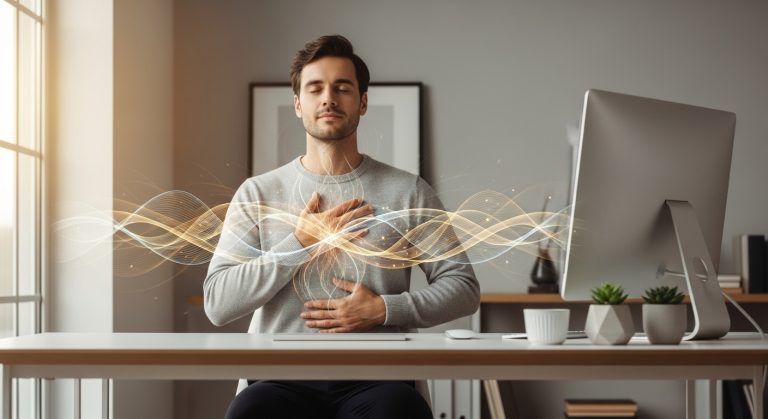
Discover breath pacing exercises that boost stamina and calm your mind. Learn 7 practical breathing tempo techniques to gain energy, reduce fatigue, and enhance performance naturally.
Table of Contents:
Introduction
I used to think stamina came from pushing harder or drinking another energy drink. Then one day, mid workout, my chest tightened and my mind scattered. My coach said something I will never forget: “You are breathing like you are drowning on dry land.”
That moment changed everything. I learned that breath pacing is not just about oxygen. It is about rhythm, control, and teaching your nervous system to stop panicking when life demands more from you.
If you have ever felt winded after climbing stairs or exhausted even after sleeping eight hours, your breathing pattern might be working against you. This article will walk you through seven surprisingly calm ways to use breath pacing exercises to gain energy, sharpen focus, and build real stamina without burning out.
Why Breath Pacing Matters More Than You Think.
Breath pacing is the intentional control of your breathing rhythm to match your body’s energy needs and nervous system state. When you pace your breath correctly, you optimize oxygen delivery, reduce stress responses, and create sustainable energy.
Most people breathe too fast and too shallow without realizing it. Your body interprets this as danger. Your heart rate spikes. Cortisol rises. Energy drains.
I spent years wondering why I could not sustain focus during long work sessions. Then I noticed I was holding my breath every time I concentrated. My body was in survival mode all day long.
When you learn breath pacing techniques, you teach your system that calm and energy can coexist. You stop fighting your biology. The foundation of breath pacing is understanding that your breathing tempo controls your entire physiological state.
Proven Approach Questions:
- When do you notice yourself holding your breath during the day?
- How does your breathing change when you feel stressed versus relaxed?
- What would it feel like to tap into energy without caffeine?
- Have you noticed how athletes control their breathing during performance?
- Can you remember when deep breathing helped you feel more capable?
The Science Behind Breathing Tempo and Stamina.
Your breath controls your autonomic nervous system, which regulates everything from heart rate to mental clarity. Slow, rhythmic breath pacing activates the parasympathetic nervous system, promoting recovery and energy conservation. Fast, erratic breathing triggers the sympathetic nervous system, burning energy rapidly.
Stamina is not just physical endurance. It is your ability to sustain effort without your nervous system collapsing into panic. When you practice breath pacing strategies, you train your body to stay calm under load.
Think of your breath like a metronome for your entire system. When the tempo is steady, everything synchronizes. Your heart rate stabilizes. Your muscles receive oxygen efficiently. Your mind stays clear.
I remember my first long run after learning breath pacing. I used to gasp and fight my lungs. This time, I matched my steps to my inhales and exhales. Four steps in. Four steps out. My body stopped resisting.
Proven Approach Questions:
- Do you notice a connection between how you breathe and how tired you feel?
- What happens to your breathing when you are anxious versus focused?
- Have you felt more energized after deliberately slowing your breath?
- Can you identify when your breathing rhythm feels out of sync?
- How might changing your breath tempo shift your performance?
Box Breathing for Mental Clarity and Physical Recovery.
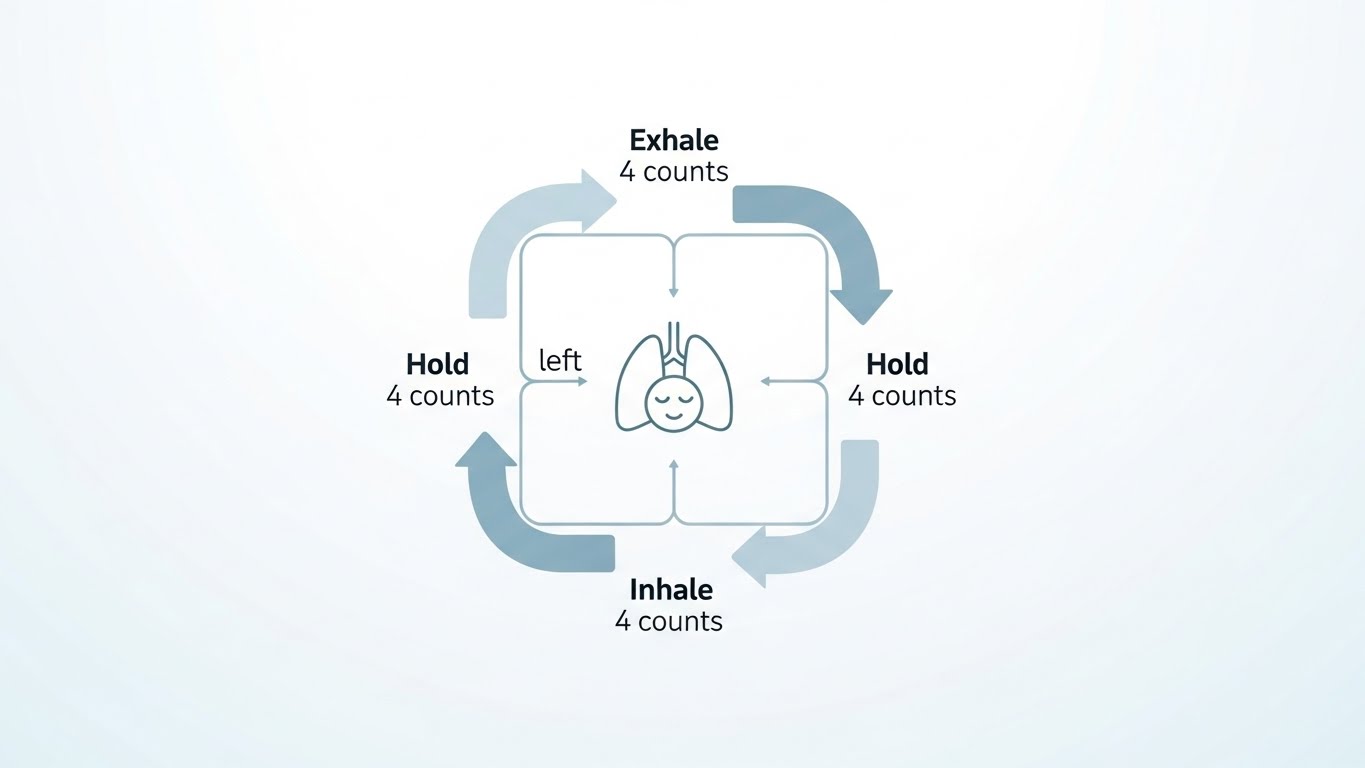
Box breathing is a breath pacing technique where you inhale for four counts, hold for four counts, exhale for four counts, and hold again for four counts. This method reduces stress hormones, increases oxygen efficiency, and helps your nervous system reset between intense efforts.
Navy SEALs use this. Elite athletes use this. You can use this before a meeting, after a workout, or when you feel your mind spinning. Box breathing represents one of the most accessible forms of breath pacing for beginners.
I use box breathing every morning before I check my phone. Four minutes. Those four minutes set the tone for my entire day. My mind feels less reactive. My body feels more grounded.
The holding phases are where the magic happens. When you hold after the inhale, you allow oxygen to fully saturate your blood. When you hold after the exhale, you increase carbon dioxide tolerance, which makes your breath pacing more efficient over time.
Proven Approach Questions:
- When during your day could you benefit most from a mental reset?
- How do you currently handle moments when stress builds quickly?
- What would change if you had a tool to calm your nervous system in under two minutes?
- Have you noticed how holding your breath feels different when done intentionally?
- Can you commit to practicing box breathing for three days?
Also read “Mindful Warm Ups: 7 Primal Triggers for Pre Workout Focus.”
4 7 8 Breathing to Reset Your Energy Levels.
The 4 7 8 breathing technique involves inhaling for four counts, holding for seven counts, and exhaling slowly for eight counts. This pattern activates your parasympathetic nervous system, reduces cortisol, and shifts your body from stress mode to recovery mode. This breath pacing method works faster than most people expect.
This is not about gaining energy through stimulation. This is about removing the blocks that drain your energy. When you practice 4 7 8 breath pacing, you signal safety. Your system stops burning fuel for imaginary threats.
I discovered this during a phase when I could not sleep despite being exhausted. Three rounds of 4 7 8 breathing and I melted into my mattress. The next morning I felt more rested than I had in weeks.
The extended exhale activates the vagus nerve, which tells your entire system to downshift. You cannot stay in panic mode when your exhale is longer than your inhale.
Proven Approach Questions:
- How often do you feel tired but wired, unable to truly relax?
- What does your body do when you consciously extend your exhale?
- Can you identify the physical sensations that tell you your nervous system is stuck?
- Have you noticed how a long sigh naturally relieves tension?
- What would shift if you could reset your energy without needing a nap?
Rhythmic Breathing for Endurance and Sustained Effort.
Rhythmic breathing matches your breath tempo to your physical movements, creating a steady pattern that prevents energy crashes and optimizes oxygen delivery. A common breath pacing pattern is three steps per inhale and two steps per exhale.

This technique transformed my relationship with cardio. I used to dread running because I always felt like I was suffocating. Then I learned to count my steps and sync my breathing. Suddenly running became meditative instead of torturous.
The asymmetry matters. When you exhale on alternating feet, you distribute impact forces more evenly. This reduces injury risk and allows you to sustain effort longer. Rhythmic breath pacing creates a natural flow state during physical activity.
Breath pacing also keeps your mind occupied productively. Instead of fixating on discomfort, you focus on the count. Your breath becomes an anchor. Your stamina increases because your mind stops sabotaging your body.
Proven Approach Questions:
- Do you feel like your breathing and movement are fighting each other during exercise?
- What happens when you deliberately match your breath to a repetitive task?
- Have you noticed how some activities feel easier when you find a rhythm?
- Can you recall when losing your breathing rhythm caused you to tire quickly?
- What physical activities could benefit from intentional breath pacing?
Coherent Breathing to Balance Energy and Calm.
Coherent breathing involves breathing at a rate of five breaths per minute, with equal inhales and exhales of six seconds each. This specific tempo synchronizes your heart rate variability, balances your autonomic nervous system, and creates a state where you feel both calm and energized. Many consider coherent breathing the gold standard of breath pacing practices.
This is the breath pacing pattern I return to when I need to think clearly under pressure. Six seconds in. Six seconds out. My heart rate steadies. My thoughts sharpen.
When you breathe at this specific rate, your heart rate variability reaches its maximum. This means your nervous system is flexible, adaptable, and resilient. You are in the zone where peak performance happens.
I use coherent breath pacing before difficult conversations, creative work sessions, or any moment when I need both focus and flexibility. Five minutes of this practice and I feel like I have access to more of myself.
Proven Approach Questions:
- When do you need to feel calm and alert at the same time?
- How does your body feel when you breathe with equal inhales and exhales?
- Can you identify situations where you need mental clarity without losing groundedness?
- Have you noticed the difference between feeling relaxed and feeling focused?
- What would become possible if you could access calm energy whenever you needed it?
Breath Holds to Increase Carbon Dioxide Tolerance.
Breath holding exercises involve intentionally pausing your breathing after exhales or inhales to increase your tolerance to carbon dioxide. This improves oxygen efficiency, reduces breathlessness, and enhances overall stamina. Advanced breath pacing includes strategic breath holds.
I assumed more oxygen was always better. Then I learned that most breathlessness comes from low carbon dioxide tolerance, not lack of oxygen. When you train with breath holds, you teach your body to stay calm even when CO2 rises through disciplined breath pacing.
Start small. Exhale fully, then hold for ten seconds. Breathe normally for a minute. Repeat. Over time, your body adapts. You feel less panicked when you exert yourself.
I practice this during walks. Every few minutes, I exhale and hold until I feel the first urge to breathe. This simple breath pacing practice has reduced my breathlessness during everything from climbing stairs to intense workouts.
Proven Approach Questions:
- Have you noticed that your urge to breathe comes before you actually need oxygen?
- What does it feel like to hold your breath after a full exhale versus after an inhale?
- Can you stay calm when you feel the first urge to breathe?
- How might increasing your CO2 tolerance change your experience of physical exertion?
- What would it mean if breathlessness no longer limited you?
Nasal Breathing for Optimal Oxygen Absorption.
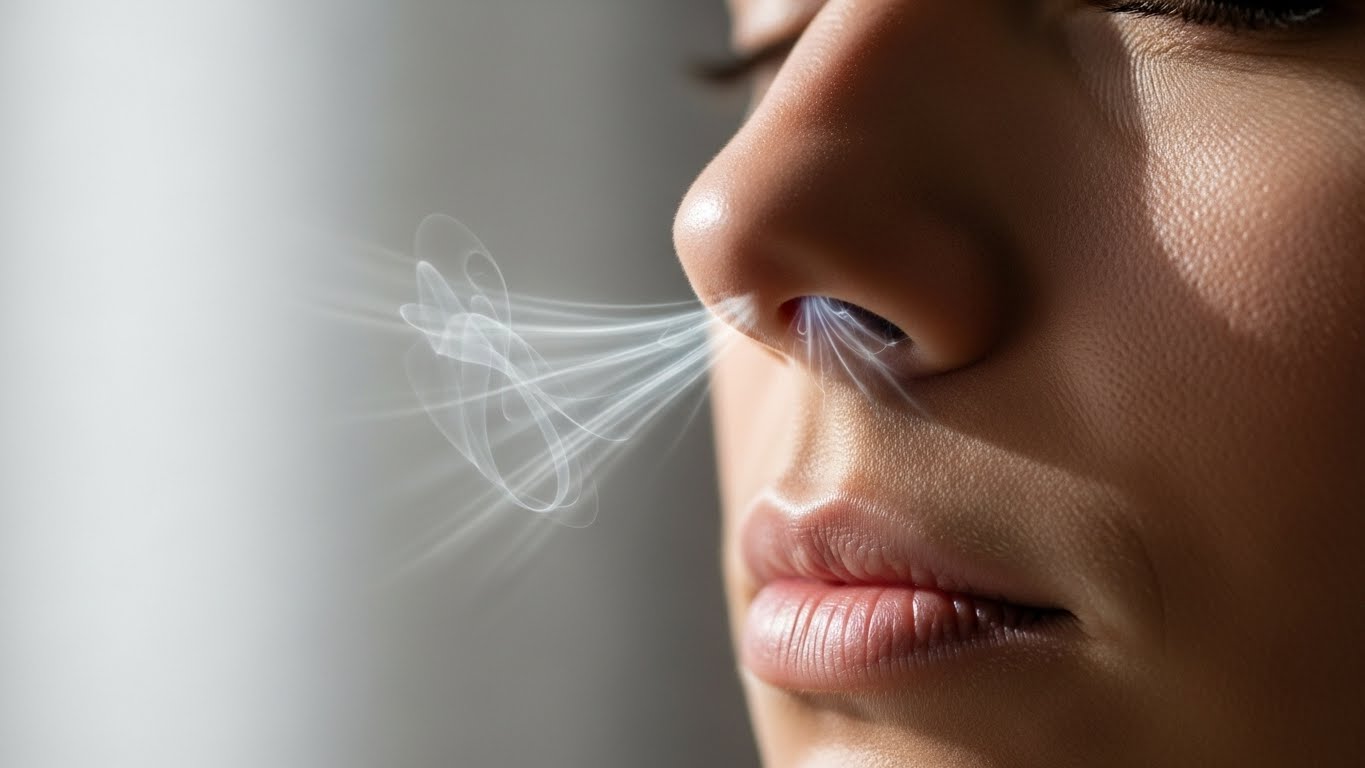
Nasal breathing means breathing exclusively through your nose rather than your mouth, which filters air, warms it, humidifies it, and produces nitric oxide that improves oxygen absorption. This method enhances stamina by making each breath more effective. Nasal breath pacing is foundational to all other techniques.
Mouth breathing is emergency breathing. Your body does it when it thinks you are in danger. When you breathe through your mouth habitually, you signal constant emergency. Your nervous system never fully relaxes.
I taped my mouth shut at night for a month. Sounds extreme, but my sleep quality doubled. I stopped waking up with brain fog. My resting heart rate dropped thanks to better breath pacing during sleep.
During the day, I practice keeping my mouth closed even during moderate exercise. At first, it felt restrictive. Then my body adapted. Now I can sustain effort longer because my breath pacing is more efficient.
Proven Approach Questions:
- Do you habitually breathe through your mouth or your nose throughout the day?
- Have you noticed how nasal breathing feels more calming than mouth breathing?
- What changes when you consciously close your mouth during light physical activity?
- Can you identify times when you automatically switch to mouth breathing?
- How might improving your nasal breathing efficiency change your energy levels?
To have deep insight about our “Mindset Development” Category, click here
Alternate Nostril Breathing for Nervous System Balance.
Alternate nostril breathing is a yogic technique where you inhale through one nostril, exhale through the other, and repeat, alternating sides to balance brain hemispheres and create deep nervous system equilibrium. This practice reduces anxiety, improves focus, and restores energy through deliberate breath pacing.
This technique felt weird at first. But the results spoke for themselves. After five minutes of alternate nostril breath pacing, I felt more centered than I had felt in days.
The practice is simple. Close your right nostril. Inhale through your left nostril. Close your left nostril. Exhale through your right nostril. Inhale through your right. Switch. Continue this breath pacing pattern for five to ten minutes.
Each nostril connects to different aspects of your nervous system. The left nostril promotes calm. The right nostril promotes alertness. When you alternate, you create balance.
I use this breath pacing method before big decisions or when I feel mentally scattered. My thoughts slow down. My emotions stabilize.
Proven Approach Questions:
- When do you feel most mentally scattered or emotionally unbalanced?
- Have you noticed a difference in how each nostril feels when you breathe through it separately?
- What happens to your mental state when you deliberately slow down?
- Can you imagine how balancing both sides of your nervous system might improve decisions?
- What would shift if you had a practice that restored your center in five minutes?
Conclusion
Breath pacing is not just another wellness trend. It is a fundamental skill that determines how much energy you have, how clearly you think, and how well you perform under pressure. These seven breath pacing techniques offer you practical, immediate tools to gain energy without relying on stimulants or exhaustion.
Start with one breath pacing method. Practice it for a week. Notice what changes. Your stamina will increase not because you are forcing more effort, but because you are removing the blocks that waste energy.
The most surprising thing about breath pacing is how quickly it works. You do not need months of practice to feel different. You need consistency with simple patterns that teach your body a new rhythm. Each breath pacing exercise builds on the others, creating a comprehensive system for managing your energy.
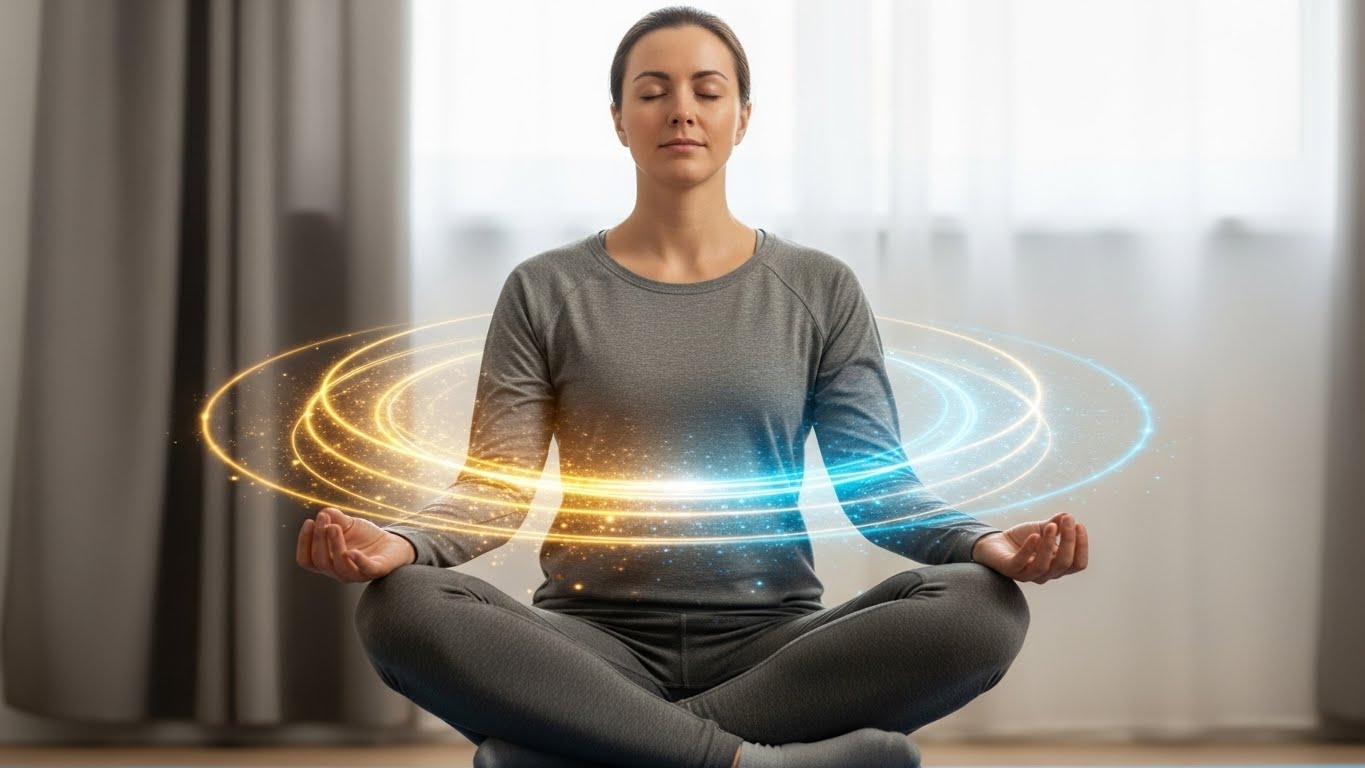
Your breath is the bridge between your conscious mind and your autonomic nervous system. When you learn breath pacing intentionally, you gain access to energy, clarity, and resilience you did not know you had through strategic breath pacing practice.
TOP 15 FAQ’s
-
What is breath pacing?
A controlled breathing rhythm that calms the stress response and helps your body shift from panic to balance.
-
How to perform paced breathing?
Slow inhale, slow exhale, steady rhythm. This interrupts stress spikes and brings your nervous system back under control.
-
What is 5 5 paced breathing?
Inhale 5 seconds, exhale 5 seconds. A simple reset that lowers pressure and restores clear thinking.
-
Is paced breathing 6 breaths per minute?
Yes, slower patterns like 6 breaths per minute calm your system and reduce pressure-driven activation.
-
What is a normal breathing pace?
Most breathe 12–20 times per minute, but slower intentional breathing helps you stay composed under stress.
-
What is a breath pacer?
A tool or guide that helps you follow a steady breathing rhythm to regulate stress more effectively.
-
What is the paced breathing protocol?
A structured pattern of slow inhales and exhales used to reset the body’s stress response during pressure.
-
What is the breathing pace while sleeping?
Sleep breathing naturally slows, keeping the nervous system calm, similar to what paced breathing trains
-
What are the four types of breathing?
Slow, fast, shallow, and diaphragmatic. Slow intentional breathing is best for staying calm under pressure.
-
What is the pacing of your breath linked to?
It’s tied to your stress levels. Slower breathing signals safety and restores mental clarity.
-
Breath pacing meaning
Using controlled rhythm to shift your body out of fight or flight and regain composure.
-
Breath pacing technique
Follow a steady count for each inhale and exhale to stop stress from overwhelming your thinking.
-
Breath pacing for anxiety
It grounds your body, lowers adrenaline, and brings back the mental control pressure takes away.
-
Breath pacing benefits
Reduces stress, sharpens focus, steadies emotions, and helps you respond instead of react.
-
Breath pacing yoga
Yoga uses slow rhythmic breathing to calm the nervous system, similar to the grounding techniques in the article.