Table of Contents
Learn how to reset nervous system with simple, science-backed techniques. Reduce stress and feel calmer in minutes with methods that actually work.
I’m going to show you how to reset your nervous system using methods that actually work. No fancy equipment needed. Just your body and a short period of time. By the end of this guide, you’ll understand why your body feels this way and exactly what to do about it.
Understanding Why Your Nervous System Gets Stuck.
Your nervous system runs your entire body without you thinking about it. Consider it similar to an automobile with two pedals. One speeds you up when danger appears. The other slows you down when it’s time to rest.
The gas pedal is your sympathetic nervous system. When you face a deadline or an argument, this system floods your body with energy. Your heart races. Your muscles tense. This is the fight or flight response.
The brake pedal is your parasympathetic nervous system. This system tells your body everything is okay. It slows your heartbeat, relaxes your muscles, and helps you sleep deeply. When this system works, you feel calm and grounded.
The problem with modern life is your gas pedal gets stuck down. Work stress, financial worries, endless notifications, and constant news keep your sympathetic nervous system activated. Your body thinks it’s running from danger all day long.
When your nervous system stays activated for weeks or months, it forgets how to use the brake pedal. You become dysregulated. Your body loses its ability to shift between activated and calm states smoothly.
A dysregulated nervous system shows up physically. Your heart races for no reason. Your chest feels tight. Despite being fatigued, you are unable to fall asleep. Your stomach hurts without clear cause.
The mental signs are just as real. Your brain feels foggy. You can’t concentrate on simple tasks. Making decisions feels impossible. You feel anxious about things that never bothered you before.
The emotional symptoms hit hardest. Everything feels overwhelming. Small setbacks feel like disasters. You feel disconnected from people around you. Nothing brings you joy anymore.
If you recognize yourself here, your nervous system isn’t broken. It’s stuck trying to protect you from threats that aren’t there. The good news is you can teach it to relax again. You can reset your nervous system.
The Two States You Need to Recognize First.
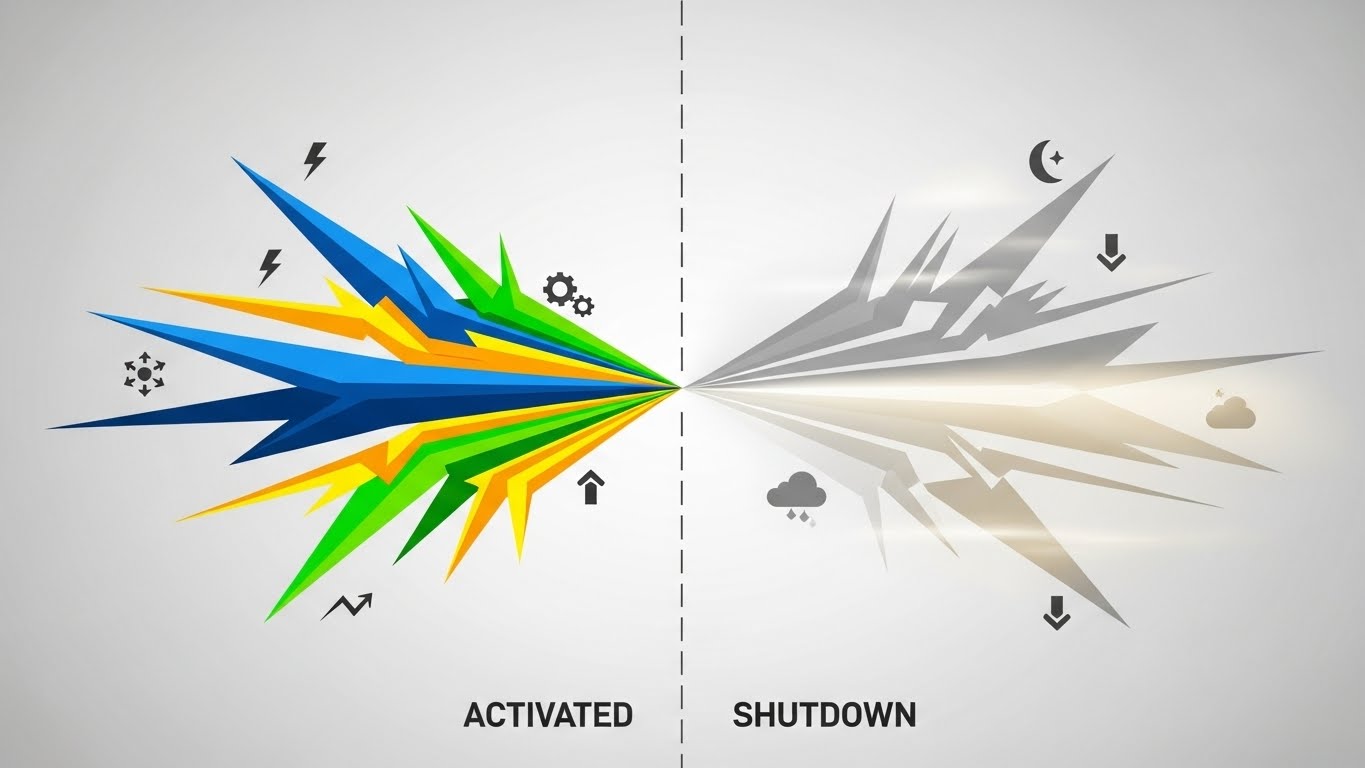
Before you try to reset your nervous system, you need to know which state you’re in. Different states need different approaches.Using the incorrect method might exacerbate the situation.
State One When You’re Revved Up and Wired.
This is when your sympathetic nervous system runs the show. Your body is in constant fight or flight mode.
You know you’re in this state when your thoughts won’t stop racing. Your body feels restless and jittery. You can’t sit still. Your jaw stays clenched. Your shoulders live up near your ears. Your heart beats faster while you’re just sitting there.
When you’re activated, you need to discharge the excess energy before you can calm down. Trying to relax directly usually backfires because your body is revving too high.
State Two When You’re Shut Down and Numb.
This state surprises people because it doesn’t feel like typical stress. Your nervous system has gone into shutdown mode.
You know you’re in shutdown when you feel foggy and disconnected. Your body feels heavy and exhausted. You can’t motivate yourself to do basic tasks. Your emotions feel far away or completely absent.
When you’re in shutdown mode, relaxation techniques often make you feel worse. Your body is already too far down. You need gentle activation to wake your system back up.
The Quick State Check.
Right now, pause and ask yourself one question. Am I revved up or shut down? Do I have too much energy or not enough?
Place one hand on your chest and feel your heartbeat. Is it racing or barely there? Notice your breathing. Is it fast and shallow or slow and barely moving? Check your muscles. Are they tense or loose and heavy?
This ten second check tells you which techniques to use next.
Also read “Functional Core Workout: 7 Smart Habits to Fix Balance.“
Quick Techniques to Reset Your Nervous System When Activated.
When you’re wired, these techniques help you discharge excess activation.
The Double Breath Reset.
This technique works faster than almost anything else. Take a deep breath in through your nose. Before you exhale, take a quick second inhale to top off your lungs. Now take a long, leisurely breath out through your lips.
Repeat this pattern five times. Your heart rate will slow down. Your shoulders will drop. Your mind will clear. This happens because the double inhale followed by long exhale activates your vagus nerve.
Use this before stressful meetings, during arguments, or at night when your mind won’t stop spinning.
The Physical Discharge Method.
Your body prepared for action when stress hit. That energy is stuck in your muscles. You need to complete the stress cycle by moving it through and out.
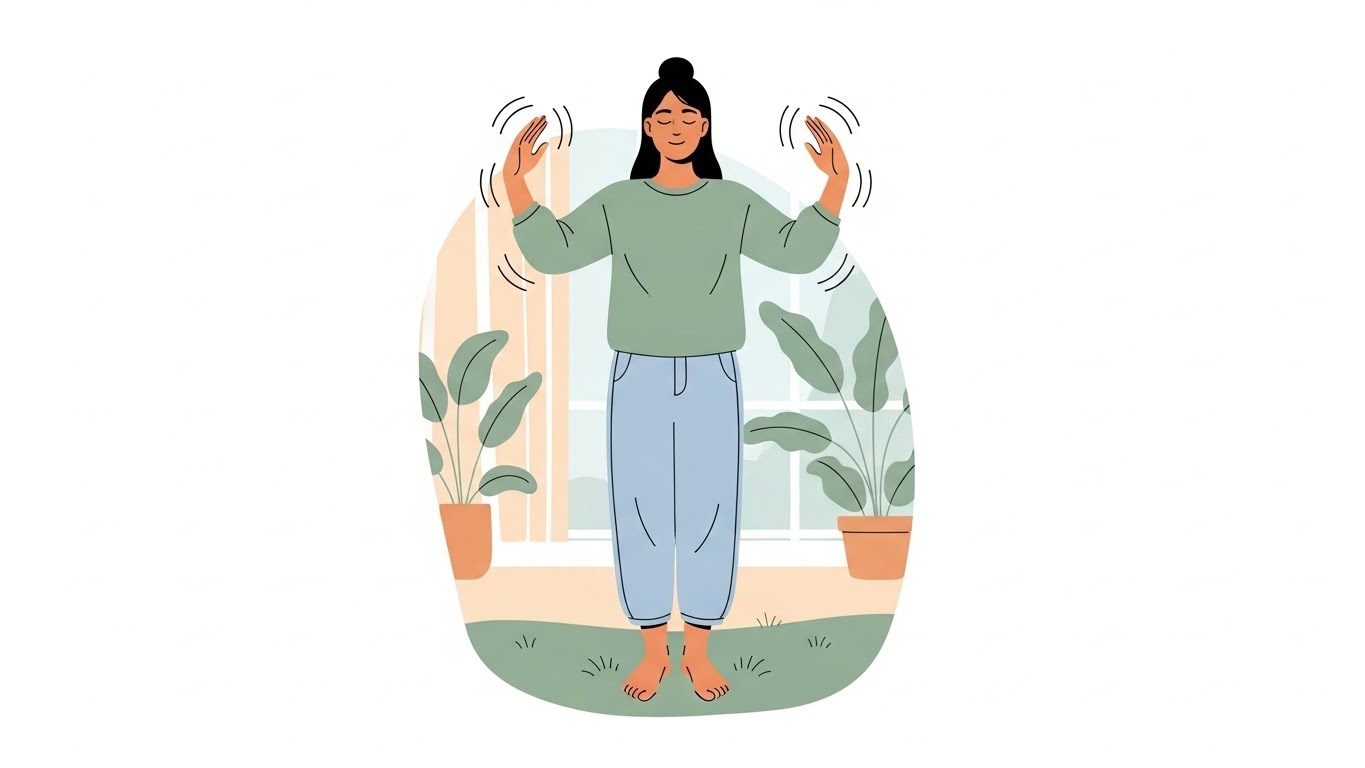
Stand up wherever you are. Start shaking your hands like you’re flinging water off them. Shake harder. Add your arms. Shake your entire body like a dog shaking off water after a bath.
Keep shaking for ninety seconds minimum. This technique helps your nervous system complete the stress response it started. Animals do this instinctively after escaping danger.
After you finish, stand still and notice how your body feels different. The jittery energy will have moved through instead of staying trapped.
The Cold Water Intervention.
Cold water triggers the dive reflex. This reflex slows your heart rate and shifts your nervous system toward calm.
Splash cold water on your face for thirty seconds. Really cold water works best. Focus the water on your forehead and cheeks. The cold creates an immediate physiological shift. Your heart rate drops within seconds.
Skip this technique if you’re in shutdown mode. Cold water pushes you further down when you’re already shut down.
The Tension Release Practice.
By using contrast, this method teaches your body what calm feels like.
Make tight fists with both hands. For five seconds, squeeze as hard as you can. Release completely and notice the difference. That’s what relaxation feels like.
Move up your body. Tense your biceps for five seconds. Release. Tense your shoulders by pulling them up to your ears. Release. Work through your whole body this way. Your nervous system will shift toward calm.
Gentle Activation When You’re in Shutdown Mode.
If you’re feeling numb or disconnected, your nervous system has gone into shutdown. You need gentle activation to bring yourself back.
The Sensory Wake Up Call.
Your body shut down because it felt overwhelmed. You need to gently remind it that it’s safe to come back.
Look slowly around the room. Turn your head and move your eyes. Find five objects and name them out loud. Touch three different textures. A smooth phone screen. Rough fabric. Cool metal.
This practice brings you back into your body and the present moment. Your brain starts processing sensory information again instead of staying stuck in shutdown.
The Gentle Movement Return.
Your body needs to remember it can move and feel safe doing so.
Sit or stand comfortably. Begin moving just your fingers. Wiggle them slowly. Move to your hands. Rotate your wrists in small circles. Progress to your arms.
Walk slowly around your space for five minutes. Feel each step. Notice your feet touching the ground. This grounds you back into your body.
The Connection Bridge.
When you’re shut down, your nervous system needs connection to another regulated person. This is called co regulation.
Text or call someone you feel safe with. You don’t need to explain everything. Just being in contact helps. If possible, sit near someone calm. Their regulated nervous system literally helps regulate yours.
This isn’t weakness. This is biology. Human nervous systems evolved to regulate each other.
(H2) Building Long Term Nervous System Strength
Quick resets help in the moment, but real healing comes from daily practices.
The Morning Regulation Ritual.

How you start your day sets the tone for your nervous system.Every morning, get up at the same time. Breathe deeply five times before checking your phone. Splash cold water on your face. Spend five minutes stretching or walking.
This morning sequence tells your nervous system that today is predictable and safe. Consistency matters more than intensity.
Strengthening Your Calming Nerve.
Your vagus nerve is the main highway of your parasympathetic nervous system. The stronger this nerve, the better you handle stress.
Hum while you cook dinner. Sing in your car during your commute. Gargle water vigorously for thirty seconds twice a day. These activities activate and strengthen the nerve that helps you reset your nervous system.
Track how quickly you recover from stressful moments. As your vagal tone improves, you’ll bounce back faster from challenges.
Protecting Your Sleep Reset Window.
While you sleep, your nervous system does the majority of its repairs. Protecting your sleep is protecting your ability to reset your nervous system daily.
Every night, go to bed at the same time. One hour before going to bed, turn off all screens. Make your bedroom cool and completely dark. Your nervous system calms down more deeply in cool dark spaces.
Going to bed within thirty minutes of the same time every night gives your nervous system the regular reset window it needs.
The Mistakes That Stop Your Progress.
Most people try to reset their nervous system and give up because they make these common errors.
Trying to Force Calm When You’re Activated.
You can’t calm down when you’re revved up. People tell themselves to just relax when they’re in full fight or flight. It doesn’t work. You have to discharge the activation energy first through movement. Only then can calming practices work.
Using the Same Technique for Different States.
What works when you’re wired won’t work when you’re shut down. Cold water helps activated states but makes shutdown worse. Match your technique to your current state. Do the ten second check first.
Expecting Instant Permanent Change.
Your nervous system took months or years to become dysregulated. It won’t fully reset in a weekend. You’ll feel some relief immediately. Real healing takes consistent practice over weeks. Most people notice significant changes within three weeks of daily practice.
Ignoring Your Environment.
You can’t reset your nervous system if you keep returning to situations that dysregulated it. Look at what you can change. Set boundaries with people who stress you out. Reduce your exposure to news and social media. Sometimes the bravest thing is changing your environment.
When Professional Support Makes Sense.

These techniques work well for everyday stress and mild nervous system dysregulation. Sometimes you need professional help.
Seek help if you’ve tried these practices consistently for six weeks without improvement. Get support if you have daily panic attacks that interfere with your work or relationships. If you have a trauma history involving abuse or violence, working with a trauma informed therapist helps you reset your nervous system more safely.
Look for therapists trained in somatic experiencing, EMDR, or other body based trauma therapies. These practitioners understand how to work directly with nervous system regulation.
Needing help doesn’t mean you’re broken or weak. It means you’re smart enough to recognize when you need more tools.
Your Next Steps Starting Right Now.
Your nervous system has protected you through everything you’ve survived. It’s not your enemy. It’s just stuck in an old pattern trying to keep you safe.
You now know how to identify which state you’re in. You have specific techniques to discharge activation when you’re wired. You know how to gently wake yourself up when you’re shut down. You understand the daily practices that build long term resilience.
Start small today. Right now, do the quick state check. Ask yourself if you’re revved up or shut down. Choose one technique that matches your state and try it.
Tomorrow, add the morning ritual. Practice it for one week before adding anything else. Build your nervous system reset practice slowly and sustainably.
Be patient with yourself. Some days will feel harder than others. That’s normal. Progress isn’t linear. What counts is that you continue to show up for yourself. Every time you practice these techniques, you’re teaching your nervous system that it can feel safe again.
You have everything you need already built into your body. These techniques just help you remember how to use what you already have. Your nervous system has been working hard to protect you. Now you can protect it back.
Start today. Your calmer, more regulated self is waiting on the other side of consistent practice.
TOP 15 FAQ
-
How can I reset my nervous system naturally?
By matching techniques to your state, movement and breath to release excess stress or gentle sensory input to wake a shut-down system.
-
What is a nervous system reset?
It’s restoring your body’s ability to shift smoothly between stress and calm instead of staying stuck in fight, flight, or shutdown.
-
How long can it take to reset your nervous system?
Relief can happen in minutes, but lasting regulation usually improves over 2–3 weeks of consistent daily practice.
-
What are signs of a dysregulated nervous system?
Racing heart, poor sleep, brain fog, anxiety, emotional numbness, or feeling constantly overwhelmed without clear cause.
-
What exercises can help regulate the nervous system?
Shaking, slow breathing, gentle walking, stretching, and balance-based movement help discharge stress and restore regulation.
-
What’s the role of sleep in nervous system regulation?
Sleep is when your nervous system repairs itself; consistent timing and a dark, cool environment improve regulation.
-
How can social connections help calm the nervous system?
Safe human connection allows co regulation, where another calm nervous system helps settle yours biologically.
-
Reset your nervous system in 30 seconds
A double inhale through the nose followed by a long slow exhale rapidly lowers heart rate and stress signals.
-
How to reset nervous system at home
Use breathwork, shaking, cold water on the face, gentle movement, and consistent sleep routines no equipment needed.
-
How to heal a dysregulated nervous system
Identify your state, use the right tools daily, protect sleep, reduce stressors, and build consistency over time.
-
How to reset your nervous system anxiety
Discharge excess energy first through movement or breath, then apply calming techniques once activation drops.
-
Signs of a dysregulated nervous system
Chronic tension, restlessness, exhaustion, poor focus, emotional reactivity, or feeling detached from your body.
-
How to reset nervous system reddit
Most shared methods work best when matched to your state; copying one technique without context often fails.
-
Nervous system reset exercises
Breathing resets, shaking, gentle walking, sensory grounding, and tension-release practices are most effective.
-
How to reset nervous system ADHD
Short movement bursts, breath regulation, sensory input, and strong sleep routines help stabilize nervous system signals.