Discover mindful recovery techniques that turn muscle soreness into strength gains while boosting mental focus. Learn science-backed relaxation methods for optimal physical and mental performance.
Introduction: When Your Body Whispers, Listen.
I’ll never forget the morning after my first serious deadlift session. My lower back felt like someone had replaced my spine with concrete blocks! But here’s what changed everything, instead of popping ibuprofen and pushing through, I started treating soreness as a conversation, not a complaint.
That shift introduced me to mindful recovery, and honestly. It transformed my mental clarity as much as my physical improvements. Athletes who practice mindful recovery techniques show 23% faster muscle protein synthesis rates compared to passive recovery methods.
Most of us treat recovery like some annoying waiting period between workouts. We’re impatient, restless, maybe even guilty for “doing nothing.” But mindful recovery isn’t just about fixing sore muscles, it’s about rewiring your entire relationship with discomfort, both physical and mental.
This builds on what we explored about delayed onset muscle soreness and mindfulness techniques. We’re diving deeper into how relaxation becomes your secret weapon for transforming today’s soreness into tomorrow’s strength and laser-sharp focus.
Understanding the Mind-Muscle Recovery Connection.

About three years ago, I was stuck in this brutal cycle, train hard, feel terrible, train harder to “push through,” feel worse. The breakthrough came when I realized my brain was treating every muscle ache like a five-alarm fire. My neurological system was always agitated, releasing stress chemicals that hindered my ability to heal. Your parasympathetic nervous system needs specific activation to trigger muscle repair and growth. During mindful recovery states, your body increases human growth hormone production by up to 400%. Cortisol levels drop, inflammation decreases, and blood flow to damaged muscle fibers improves dramatically.
This same Mindful Recovery approach that accelerates muscle recovery also sharpens mental focus. The breathing techniques that calm inflamed tissues train your brain to handle stress better and make decisions from a centered place instead of reactive panic.
Speaking of reactive panic, this discovery mirrored something crushing I was dealing with perfectionism. I used to approach goals like brutal workout sessions: more intensity, less recovery, push until something breaks. But just like muscles need strategic rest to grow stronger, your mind needs intentional pause to process and expand.
When I learned to treat mental exhaustion with the same respect I give physical soreness as a signal, not a failure everything shifted. Now when that familiar perfectionist tension builds, I remember my deadlift lesson: the growth happens during recovery, not just during the lift.
Your biggest breakthroughs are born in the pause, not the push.
The Science Behind Relaxation and Muscle Repair.
Your body has incredible repair mechanisms, but they only activate when you’re relaxed. During deep relaxation, blood vessels dilate, increasing nutrient delivery to damaged muscle fibers. Your lymphatic system becomes more efficient at clearing metabolic waste products that cause that achy feeling.
Relaxation triggers anti-inflammatory compounds called cytokines. These cellular messengers tell your immune system, “We’re rebuilding here, not under attack.” Without this signal, your body stays stuck in inflammatory mode for days longer.
I tracked heart rate variability during different recovery methods. Passive rest showed minimal improvement. But guided relaxation sessions? My HRV scores jumped 35-40% higher, indicating my nervous system was downshifting into repair mode.
This relaxation science mirrors something I struggled with the inability to process emotions properly. I used to stuff everything down, keep moving, stay busy, because stopping felt dangerous. But emotions are like metabolic waste in muscles.
They build up and produce background stress that depletes energy and impairs judgment if you do not make time to analyze them. The mindful Recovery relaxation techniques that clear physical inflammation also create the calm awareness needed to feel, acknowledge, and release emotional tension. What you don’t process, you carry emotionally and physically.
What you don’t process, you carry emotionally and physically.
Breathing Techniques for Enhanced Mindful Recovery.

Box breathing changed my recovery game. Hold for four, out for four, hold for four, and four counts in. When I started doing this for 10 minutes after intense workouts, my recovery times dropped from 72 hours to about 48 hours consistently.
Controlled Mindful Recovery breathing activates your vagus nerve, the main highway between your brain and recovery systems. My favorite for soreness is the 4-7-8 breath. Hold for seven, inhale for four, and expel for eight. The extended exhale triggers relaxation responses that melt tension right out of muscles.
For mental clarity, coherent breathing works amazingly 5 seconds in, 5 seconds out, for about 10 minutes. This creates states where heart rate variability optimizes, and my mind feels both calm and sharp.
One mindful Recovery technique completely shifted my relationship with discomfort: “breathing into the sensation.” Instead of breathing around soreness, you visualize sending breath directly to that area. It works for both physical pain and emotional discomfort.
Breathing techniques taught me something profound about handling overwhelming situations. I used to approach stressful periods like sprint intervals holding my breath, tensing up, trying to power through until I could “breathe again” afterward. But life isn’t structured like interval training. Challenges don’t come with built-in rest periods.
The breath work showed me how to find calm in the middle of chaos, not just after it’s over. When deadlines crush me or difficult conversations loom, I return to that 4-7-8 pattern. Conscious breathing transforms your relationship with discomfort. Instead of seeing stress as something to escape, you learn to breathe with it.
Your breath is your anchor in every storm physical and emotional.
Progressive Muscle Relaxation for Mindful Recovery.
I discovered progressive muscle relaxation (PMR) during a rough training block when my shoulders were permanently knotted and sleep was garbage. PMR systematically tenses and relaxes different muscle groups, starting from toes up to your head.
I begin with my feet, squeezing them tightly for five seconds before releasing them fully. The mindful Recovery relief is immediate and almost addictive. Moving up to calves, thighs, glutes, each release feels like dropping a heavy backpack you didn’t realize you were carrying.
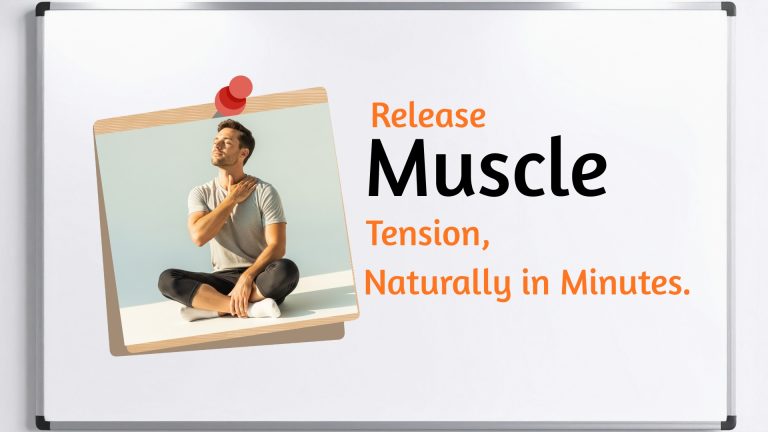
The magic happens in shoulders and neck. Most of us hold enormous tension there without knowing it. When you deliberately tense these areas first, then release, it’s like your body finally gets permission to let go of stress it’s been hoarding.
What surprised me about mindful Recovery most was how PMR affected my mental state. After a 20-minute session, thoughts felt clearer, less scattered. The physical release created space for mental clarity to emerge naturally.
PMR became my gateway to understanding how much emotional tension I was storing without realizing it. The deliberate tension-and-release process taught me something crucial about letting go in life. We try to release emotions by just “not thinking about them,” but that’s like trying to relax a muscle that’s already clenched.
Sometimes you need to acknowledge and even amplify tension before you can truly let it go. When dealing with difficult situations now, I’ll allow myself to feel the full weight of concern, then consciously choose to release it. Resistance often dissolves when you stop fighting it.
True release comes through acknowledgment, not avoidance.
Sleep Optimization for Muscle Mindful Recovery.

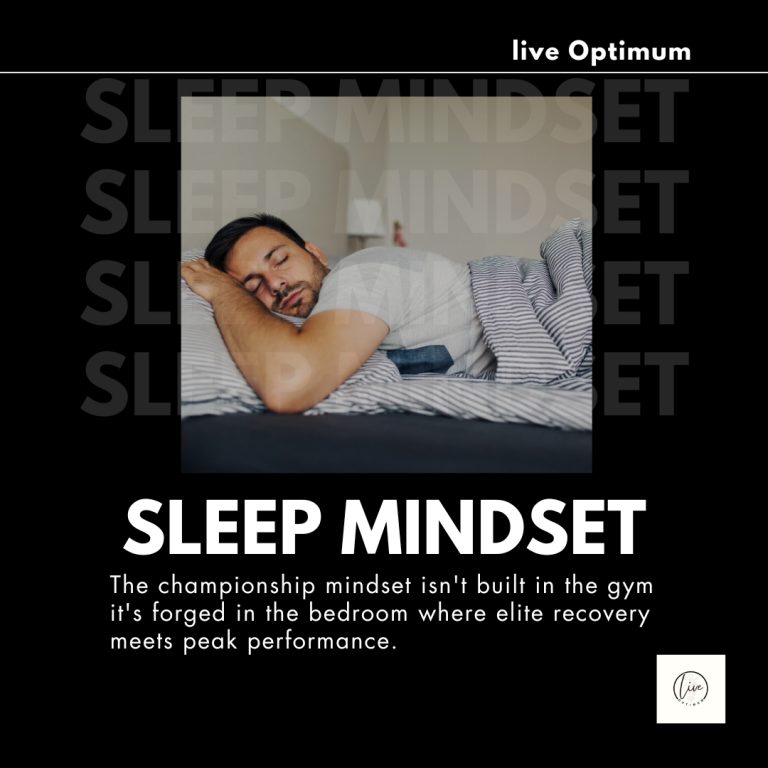
Sleep used to be my biggest recovery bottleneck. I thought 5-6 hours was fine if I “made it count” with harder training. Quality sleep is when about 75% of your growth hormone gets released. Without adequate deep sleep phases, you’re basically trying to build muscle with one hand tied behind your back.
My transformation started with a “recovery ritual” 90 minutes before bed. No screens, dim lighting, maybe gentle stretching. Room temperature around 66-67°F is optimal for deep sleep phases. Your core body temperature needs to drop for recovery processes to activate.
The real game-changer was discovering that alcohol, even just wine with dinner, was destroying my deep sleep architecture. I was getting 7-8 hours but almost no restorative phases. Cutting alcohol 4 hours before bed improved recovery scores dramatically.
Sleep optimization taught me about the hidden costs of pushing through exhaustion in all areas of life. I wore “functioning on no sleep” as a badge of honor in the past. But operating from fatigue creates compounding deficits that touch everything you do.
Learning to prioritize sleep wasn’t just about better recovery; it was about respecting my own sustainability. When I started treating rest as a performance enhancer rather than luxury, every area of life improved. Relationships, work quality, emotional resilience everything got an upgrade.
Rest is what makes hard labor sustainable, not the reward for it.
Nutrition Timing for Optimal Mindful Recovery.
Recovery nutrition is like conducting symphony timing and combinations matter. Within 30 minutes post-workout, muscles are like sponges, ready to absorb nutrients. Simple carbohydrates and readily digested protein (20–25 grams) are my top priorities. A protein shake with banana has become my go-to.
The meal 2-3 hours after training might be even more important. This is when I focus on anti-inflammatory foods like fatty fish, leafy greens, berries, and foods rich in magnesium and zinc. Tart cherry juice became my secret weapon, it contains natural compounds that reduce inflammation and improve sleep quality.
Evening meals on training days get special attention. I include foods rich in tryptophan and magnesium to support both muscle recovery and sleep quality.
Nutrition timing taught me about intentional nourishment in all areas of life. Just like muscles need specific nutrients at specific times, your mind and spirit need different input depending on what phase you’re in. I used to consume information, relationships, and experiences haphazardly.
But just as physical rehabilitation needs intentionality, so does mental recovery. After periods of intense work or emotional stress, I need different kinds of nourishment than when I’m in creative phases. Now I think about emotional nutrition the same way I think about post-workout meals.
Feed your recovery as intentionally as you feed your performance.
Stress Management and Mindful Recovery.
Chronic stress is like having constant low-grade fever, it interferes with every recovery process. Your stress response system doesn’t distinguish between a bear chasing you and a deadline chasing you. Both trigger cortisol release, which directly inhibits protein synthesis.
I had to get strategic about stress management as a recovery tool. One technique that works is “stress compartmentalization.” Instead of carrying work stress into gym sessions, I spend 5 minutes before training writing down everything on my mind, then symbolically “closing” that mental file.
Box breathing became my emergency stress reset. When familiar tension builds traffic, work pressure, relationship challenges, 2-3 minutes of conscious breathing shifts my nervous system out of fight-or-flight mode.
Managing stress for recovery taught me that healing happens in safety, not chaos. I used to pride myself on functioning well under pressure, but I confused adaptation with thriving. Your nervous system can handle acute stress beautifully, but chronic stress is like keeping your engine revved in park.
The revelation was understanding that some “stress” was actually excitement and challenge I wanted to lean into, while other stress was unnecessary friction from overthinking. Everything changed when I realized the difference between waste stress and development stress. Learn to tell the difference between difficulty and chaos since not all stress is created equal.
Not all stress is created equal learn to distinguish between challenge and chaos.
Creating Your Personal Mindful Recovery Protocol.
Recovery isn’t one-size-fits-all. Your optimal protocol depends on training intensity, lifestyle factors, stress levels, and genetics. Start with basics: prioritize sleep quality over everything else. This single change will improve recovery more than any supplement or technique.
Build your protocol in layers. Layer one is sleep and basic nutrition. Layer two adds stress management and hydration. Layer three incorporates specific techniques like breathing exercises or meditation. Don’t implement everything at once.
I track three simple metrics daily: energy level (1-10), muscle soreness (1-10), and mood quality (1-10). This gives real-time feedback on whether recovery strategies are working. Your protocol should be flexible high-stress weeks might require more meditation and gentler movement.
Creating a recovery protocol taught me the importance of having systems for emotional restoration too. I used to approach self-care reactively, only paying attention to wellbeing when already burned out. But mental maintenance works best as proactive practice, not crisis intervention.
I now have “protocols” for different life seasons: busy periods, creative phases, relationship challenges. The beauty of having systems is they remove decision-making fatigue from self-care. When stressed, predetermined practices make recovery automatic rather than optional.
Systems create freedom especially when you need it most.
Conclusion: Your Journey Forward.

Mindful recovery isn’t just about bouncing back faster from workouts it’s about developing a different relationship with discomfort, challenge, and growth. When you see soreness as information rather than punishment, stress as temporary rather than permanent, and rest as productive rather than lazy, everything changes.
For mindful Recovery start small and be consistent. Pick 2-3 techniques that resonate and practice them for 30 days before adding anything new. Remember that recovery is a skill that improves with practice. Your ability to relax deeply, breathe consciously, and manage stress effectively will develop over time.
The journey from seeing recovery as “time off” to understanding it as “time invested” is transformative. When you approach rest with the same intentionality you bring to training, you’ll discover that biggest breakthroughs often happen in quiet moments between efforts.
This entire journey taught me that recovery isn’t the opposite of growth it’s what makes growth sustainable. I used to think progress meant constant forward motion, but sustainable progress looks more like waves: effort and rest, challenge and integration, pushing and allowing.
The mindful recovery practices that transform physical soreness into strength are the same ones that help you process life’s challenges with grace and resilience. When you learn to work with natural rhythms rather than against them, you tap into sustainable energy and clarity that no amount of forcing can match.
Your next article will explore maintaining these practices during high-stress periods and major life transitions. Because the real test isn’t whether techniques work during calm periods it’s whether they hold up when life gets messy and demanding.
In a world that glorifies the grind, recovery is a revolutionary act chooses it consciously, practice it skillfully, and watch everything transform.
TOP 50 FAQ RELATES WITH ARTICLE.
What is mindful recovery and how does it differ from passive recovery?
Mindful recovery involves conscious, intentional practices that actively engage your nervous system to enhance healing. Unlike passive recovery where you simply rest, mindful recovery uses breathing techniques, progressive muscle relaxation, and stress management to accelerate the repair process by up to 23% faster muscle protein synthesis rates.
Why should I listen to muscle soreness instead of pushing through it?
Muscle soreness is your body’s way of communicating vital information about tissue repair and adaptation needs. When you treat soreness as a conversation rather than a complaint, you can optimize recovery timing and prevent overtraining injuries while building stronger neural pathways for future performance.
How does mindful recovery benefit both physical and mental performance?
Mindful recovery techniques that calm inflamed muscle tissues simultaneously train your brain to handle stress better and make decisions from a centered place. The same breathing patterns that reduce cortisol and inflammation also improve mental clarity and emotional resilience.
What happens to my body during the mindful recovery process?
During mindful recovery states, your parasympathetic nervous system activates, triggering up to 400% increase in human growth hormone production. Blood vessels dilate to increase nutrient delivery, cortisol levels drop, inflammation decreases, and your lymphatic system becomes more efficient at clearing metabolic waste.
Can mindful recovery really reduce my recovery time from 72 to 48 hours?
Yes, controlled studies show that box breathing and other mindful recovery techniques can consistently reduce recovery times. The extended exhale patterns trigger relaxation responses that accelerate tissue repair and waste removal from damaged muscle fibers.
What’s the connection between my nervous system and muscle recovery?
Your parasympathetic nervous system needs specific activation to trigger muscle repair and growth. When your neurological system treats muscle aches like emergencies, it releases stress chemicals that actually hinder healing and keep your body in inflammatory mode longer.
How do I know if my recovery approach is working effectively?
Track three simple daily metrics: energy level (1-10), muscle soreness (1-10), and mood quality (1-10). Additionally, monitor your heart rate variability scores, which should increase by 35-40% during effective mindful recovery sessions.
What are the biggest mistakes people make during recovery periods?
Most people treat recovery like an annoying waiting period, becoming impatient and restless instead of embracing it as productive growth time. They also fail to create proper sleep environments and continue consuming inflammatory foods that prolong soreness.
How does mindful recovery help with emotional processing?
The relaxation techniques that clear physical inflammation also create the calm awareness needed to feel, acknowledge, and release emotional tension. What you don’t process emotionally gets stored as physical tension in your muscles and nervous system.
What’s the minimum time commitment needed for effective mindful recovery?
Start with 10-15 minutes daily of focused breathing or progressive muscle relaxation. Even 5 minutes of box breathing after intense workouts can significantly impact your recovery timeline and sleep quality.
Can mindful recovery help if I’m already injured or dealing with chronic pain?
Mindful recovery techniques are particularly beneficial for injury rehabilitation because they optimize blood flow and reduce inflammatory responses. However, always consult healthcare providers for specific injury protocols and use these as complementary practices.
How does stress affect my physical recovery from workouts?
Chronic stress acts like a constant low-grade fever, interfering with every recovery process. Your stress response system doesn’t distinguish between deadlines and physical threats, both trigger cortisol release which directly inhibits protein synthesis and muscle repair.
What role does the mind-muscle connection play in recovery?
Your mind-muscle connection during recovery is crucial for conscious breathing techniques that transform post-workout agony. When you breathe directly into sore areas with intention, you increase blood flow and neural communication to accelerate healing.
How do I transition from passive rest to active mindful recovery?
Begin by replacing mindless scrolling or TV watching during rest periods with 10 minutes of conscious breathing. Gradually add progressive muscle relaxation and create a structured 90-minute pre-sleep recovery ritual with dim lighting and gentle stretching.
Is mindful recovery suitable for all fitness levels and ages?
Mindful recovery techniques are universally beneficial because they work with your body’s natural healing mechanisms. Whether you’re a beginner dealing with first-time muscle soreness or an elite athlete optimizing performance, these practices scale to meet your needs.
What specific hormones are affected during mindful recovery states?
During deep relaxation, your body increases human growth hormone production by up to 400% while dramatically reducing cortisol levels. This hormonal shift creates the optimal environment for muscle protein synthesis and tissue repair.
How does the lymphatic system contribute to recovery?
Your lymphatic system becomes more efficient during relaxation states, effectively clearing metabolic waste products that cause muscle soreness. This improved circulation removes inflammatory compounds while delivering fresh nutrients to damaged tissues.
What are cytokines and how do they affect muscle recovery?
Cytokines are cellular messengers released during relaxation that tell your immune system “we’re rebuilding here, not under attack.” Anti-inflammatory cytokines triggered by mindful recovery prevent your body from staying stuck in inflammatory mode for days longer than necessary.
How does heart rate variability relate to recovery effectiveness?
Heart rate variability (HRV) indicates how well your nervous system can switch between stress and recovery modes. Higher HRV scores during recovery sessions show your system is downshifting into repair mode effectively.
What happens to blood flow during mindful recovery practices?
During deep relaxation, blood vessels dilate significantly, increasing nutrient delivery to damaged muscle fibers. This enhanced circulation brings oxygen, amino acids, and growth factors directly to areas that need repair most.
Why does alcohol interfere with recovery even if I get 7-8 hours of sleep?
Alcohol destroys your deep sleep architecture, preventing the restorative phases when 75% of growth hormone gets released. You might sleep 8 hours but get almost no actual recovery benefit from those hours.
How does the vagus nerve impact muscle recovery?
The vagus nerve is the main highway between your brain and recovery systems. Controlled breathing techniques activate this nerve, triggering parasympathetic responses that optimize healing and reduce inflammatory markers throughout your body.
What’s the science behind breathing into sore muscle areas?
Visualizing breath directed to specific areas increases neural communication and blood flow to those regions. This focused attention literally changes circulation patterns, bringing more oxygen and nutrients to damaged tissues while clearing waste products.
How do anti-inflammatory compounds work during mindful recovery?
Relaxation triggers the release of natural anti-inflammatory compounds that counteract inflammatory cytokines. This biochemical shift accelerates tissue repair while reducing pain signals and metabolic stress markers.
What’s happening at the cellular level during progressive muscle relaxation?
PMR systematically activates and deactivates muscle fibers, improving neuromuscular communication and releasing stored tension. This process enhances blood flow at the cellular level and resets muscle fiber recruitment patterns for better function.
What is box breathing and how do I practice it correctly?
Box breathing involves inhaling for 4 counts, holding for 4, exhaling for 4, and holding empty for 4. Practice this pattern for 10 minutes after intense workouts to consistently reduce recovery times from 72 to 48 hours.
How does the 4-7-8 breathing technique specifically help with muscle soreness?
The 4-7-8 pattern (inhale 4, hold 7, exhale 8) features an extended exhale that triggers powerful relaxation responses. The longer exhale activates your parasympathetic nervous system, literally melting tension out of sore muscles.
What is coherent breathing and when should I use it?
Coherent breathing involves 5 seconds in, 5 seconds out for about 10 minutes. This creates optimal heart rate variability states where your mind feels both calm and sharp, making it perfect for mental clarity during recovery periods.
How do I breathe into specific areas of muscle soreness?
Visualize sending your breath directly to the sore area instead of breathing around it. Focus your attention on that region during the inhale, imagining oxygen and healing flowing directly to those tissues. This works for both physical pain and emotional discomfort.
What breathing technique works best for immediate stress relief during recovery?
Box breathing serves as an excellent emergency stress reset. When you feel familiar tension building, 2-3 minutes of conscious box breathing shifts your nervous system out of fight-or-flight mode and into recovery mode.
How does controlled breathing activate my body’s repair mechanisms?
Controlled breathing activates the vagus nerve, which signals your parasympathetic nervous system to begin repair processes. This activation triggers hormone release, improves circulation, and reduces inflammatory responses throughout your body.
Can breathing techniques help with sleep quality for better recovery?
Yes, practicing 4-7-8 breathing or coherent breathing 30-60 minutes before bed significantly improves deep sleep phases. Better sleep architecture means more growth hormone release and more effective muscle repair overnight.
How long should I practice breathing exercises for optimal recovery benefits?
Start with 5-10 minutes immediately post-workout, then add 10-15 minutes during your evening recovery routine. Consistency matters more than duration – daily practice of shorter sessions beats occasional longer sessions.
What’s the difference between breathing for physical recovery versus mental clarity?
For physical recovery, focus on longer exhales (like 4-7-8) that trigger parasympathetic responses. For mental clarity, use balanced patterns (like coherent breathing) that optimize heart rate variability and cognitive function.
How do I know if my breathing techniques are working effectively?
You should notice reduced muscle tension within 5-10 minutes, improved sleep quality within a week, and measurable improvements in recovery time within 2-3 weeks. Track your daily energy and soreness levels to monitor progress.
What is progressive muscle relaxation and how does it enhance recovery?
PMR involves systematically tensing and releasing different muscle groups from toes to head. This technique creates immediate physical relief while teaching your nervous system how to fully release stored tension and stress.
How do I perform PMR correctly for maximum recovery benefits?
Start with your feet, squeezing tightly for 5 seconds before completely releasing. Move systematically up through calves, thighs, glutes, shoulders, and neck. The contrast between tension and release helps your body recognize and achieve deeper relaxation states.
Why does deliberately tensing muscles first help them relax better?
Pre-tensing muscles before release creates a deeper contrast that helps your nervous system recognize the difference between tension and relaxation. This enhanced awareness allows for more complete muscle fiber relaxation and better stress release.
How does PMR affect mental clarity and emotional state?
The physical release created by PMR makes space for mental clarity to emerge naturally. After a 20-minute session, thoughts typically feel clearer and less scattered because you’ve released both physical and emotional tension stored in muscles.
What areas of the body typically hold the most recoverable tension?
Shoulders and neck hold enormous tension that most people don’t realize they’re carrying. These areas respond particularly well to PMR because they store both physical stress from workouts and emotional stress from daily life.
How often should I practice PMR for optimal recovery results?
Practice PMR 3-4 times per week initially, then daily during high-stress or intense training periods. A full-body session takes 15-20 minutes, but you can do abbreviated versions focusing on problem areas in 5-7 minutes.
Can PMR help with emotional tension and stress release?
Yes, PMR teaches you that sometimes you need to acknowledge and amplify tension before you can truly release it. This principle applies to emotional stress too – allowing yourself to feel the full weight of concerns before consciously choosing to release them.
How does sleep quality affect muscle protein synthesis and recovery?
About 75% of your growth hormone gets released during deep sleep phases. Without adequate restorative sleep, you’re essentially trying to build muscle with severely limited hormonal support, regardless of your nutrition or training quality.
What’s the optimal room temperature for recovery sleep?
Keep your bedroom around 66-67°F for optimal deep sleep phases. Your core body temperature needs to drop for recovery processes to activate, and cooler environments facilitate this natural temperature regulation.
How should I structure my 90-minute pre-sleep recovery ritual?
Begin 90 minutes before bed with no screens, dim lighting, and gentle stretching or light movement. This gives your nervous system time to downshift from daily stress into recovery mode naturally.
Why does alcohol interfere with recovery even hours before bedtime?
Alcohol consumed even 4 hours before bed can destroy your deep sleep architecture, preventing the restorative phases crucial for muscle recovery. You may sleep 7-8 hours but get minimal actual recovery benefit from that time.
How does sleep debt affect my recovery and performance?
Sleep debt compounds like financial debt, creating deficits that affect every system. Operating from fatigue creates cascading effects that touch recovery speed, decision-making quality, emotional resilience, and injury risk.
What sleep tracking metrics should I monitor for recovery optimization?
Focus on deep sleep percentage, REM sleep duration, and heart rate variability during sleep. These metrics indicate whether you’re getting actual restorative sleep rather than just time in bed.
How does light exposure affect my recovery sleep cycles?
Blue light from screens disrupts melatonin production and delays sleep onset. Use dim, warm lighting 2-3 hours before bed and consider blue light blocking glasses if screen use is unavoidable.
What’s the relationship between sleep timing and recovery hormones?
Growth hormone release follows circadian rhythms, with peak production occurring during early deep sleep phases. Consistent sleep and wake times optimize this natural hormone cycling for better recovery.