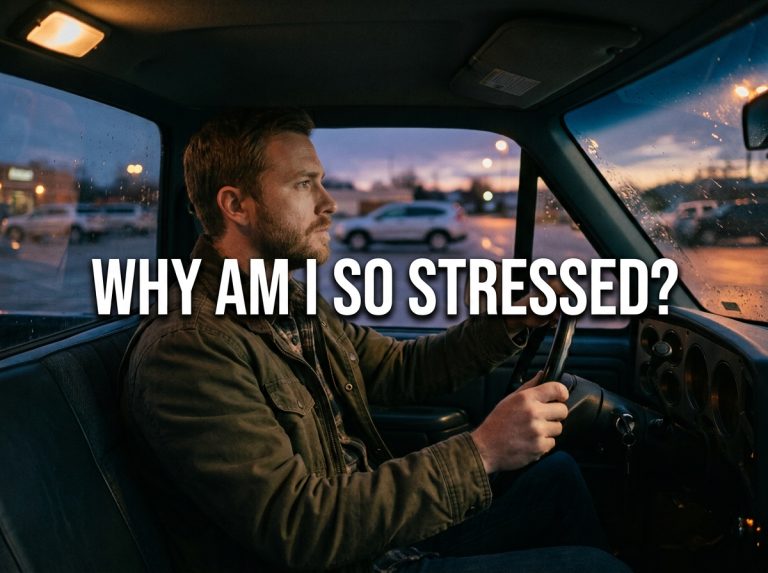
Burnout symptoms often show up in your body long before your mind admits anything is wrong. I break down what to watch for and what to do next.
Table of Contents
Burnout Symptoms: What Your Body Tells You First.
Last winter I caught the same cold three times in two months. My training log looked fine. My sleep looked fine. But my body kept shutting down, and it took me weeks to admit those were burnout symptoms, not bad luck.
Burnout symptoms are the physical, mental, and behavioral signs that your body and mind are running past their recovery limit. The most common ones are constant fatigue, frequent illness, irritability, brain fog, and pulling away from people or tasks you used to handle easily. These symptoms build slowly, and the physical ones often show up before you consciously feel stressed.
Burnout symptoms are… the warning signals your body and mind send when chronic overload outpaces your ability to recover. They show up across three areas: physical exhaustion, emotional detachment, and a drop in how effective you feel. Burnout is not laziness or weakness. It is a measurable response to sustained stress without enough recovery time.
Burnout symptoms show up most in people who carry heavy, ongoing responsibility. That includes business owners, caregivers, healthcare workers, and parents, not just employees with demanding bosses. If your role requires you to keep performing regardless of how you feel, you are already at higher risk.
Changing Your Mindset for Greatness in Life…
KEY TAKEAWAYS.
- Physical burnout symptoms like fatigue and illness often appear before emotional ones.
- Burnout has three core parts: exhaustion, cynicism, and reduced effectiveness.
- Burnout is not a formal medical diagnosis, but its symptoms are real and measurable.
- Rest alone rarely fixes burnout if the root cause stays the same.
- High performers often miss early symptoms because they mistake exhaustion for normal.
- Early intervention is crucial since burnout symptoms develop over months rather than immediately.
- Behavioral symptoms, like withdrawal and procrastination, get ignored the longest.
The Physical Burnout Symptoms That Show Up First.

Your body usually signals burnout before your mind names it. Watch for fatigue, frequent illness, and physical tension that rest does not fix.
- Constant fatigue. You wake up tired even after a full night of sleep.
- Frequent illness. Colds and infections hit more often because stress suppresses immune function.
- Muscle tension and headaches. Chronic stress keeps your body braced, which triggers tension headaches and back pain.
- Sleep disruption. You either cannot fall asleep or wake up at odd hours, even when exhausted.
- Digestive issues. Stress hormones slow or speed up digestion, causing stomach pain or irregular bowel patterns.
These symptoms happen because chronic stress keeps cortisol elevated for too long. Cortisol should spike and drop with each demand you face.
When it stays high without a break, your immune system weakens and your sleep architecture breaks down. That is why illness often hits during slow weeks, not busy ones. Your body waits until the pressure eases to finally react.
I remember sitting in a Tuesday morning meeting, nodding along, while my stomach was tied in knots for no clear reason. I had not missed a deadline. My team was performing well. But my body was bracing like something was about to go wrong, and nothing was.
That tension sat in my shoulders for three straight weeks before I connected it to workload, not stress from any single event. I kept telling myself I was fine because nothing was technically broken. The stomach knots and shoulder tension were the real signal, and I ignored them until a head cold forced me to stop.
Chronic stress keeps cortisol elevated long enough to weaken immune function before you notice any change in mood.
Mental and Emotional Burnout Symptoms.

Once physical symptoms build, mental and emotional symptoms follow. The clearest signs are brain fog, irritability, and losing interest in things you used to care about.
- Brain fog. You forget simple details or reread the same paragraph three times.
- Irritability. Small annoyances trigger a bigger reaction than they deserve.
- Detachment. You stop caring about outcomes that used to matter to you.
- Reduced sense of accomplishment. Finishing tasks stops feeling like progress.
- Emotional numbness. You feel flat instead of stressed, which people often miss entirely.
Prolonged stress impairs the prefrontal cortex, the part of your brain responsible for focus and working memory. That is why concentration slips before mood does.
Cynicism and detachment develop as a protective response. Your brain reduces emotional investment in tasks that keep draining you without payoff.
My friend has a small logistics business. He told me he stopped feeling excited about client wins that used to make his week. He still closed the deals. He just felt nothing when he did.
That flatness is not laziness. It is the brain protecting itself from a workload it cannot sustain emotionally. He noticed it three months before he addressed it, and by then simple decisions took him twice as long.
Sustained stress impairs prefrontal cortex function, which explains why focus fades before mood visibly changes.
Also read ” Why Am I So Lazy? The Hidden Recovery Mistake.”
Why Do I Feel Numb? 7 Powerful Signs You Ignore.
Behavioral Burnout Symptoms People Miss.
Behavioral symptoms are the easiest to hide and the last to get noticed. Watch for procrastination, withdrawal, and leaning on caffeine or alcohol to get through the day.
- Procrastination. Tasks that used to take an hour now take three.
- Withdrawal. You skip calls or gatherings you would normally enjoy.
- Increased reliance on stimulants. Extra coffee or a drink at night becomes a daily habit, not an occasional one.
- Declining performance despite more effort. You put in more hours at work but create less.
- Presenteeism. You show up physically but contribute far less than before.
Behavioral withdrawal is a protective response, not a character flaw. When your internal resources run low, avoidance feels safer than engagement.
This is why people miss it. Busyness looks like commitment, so nobody, including you, questions it until performance drops.
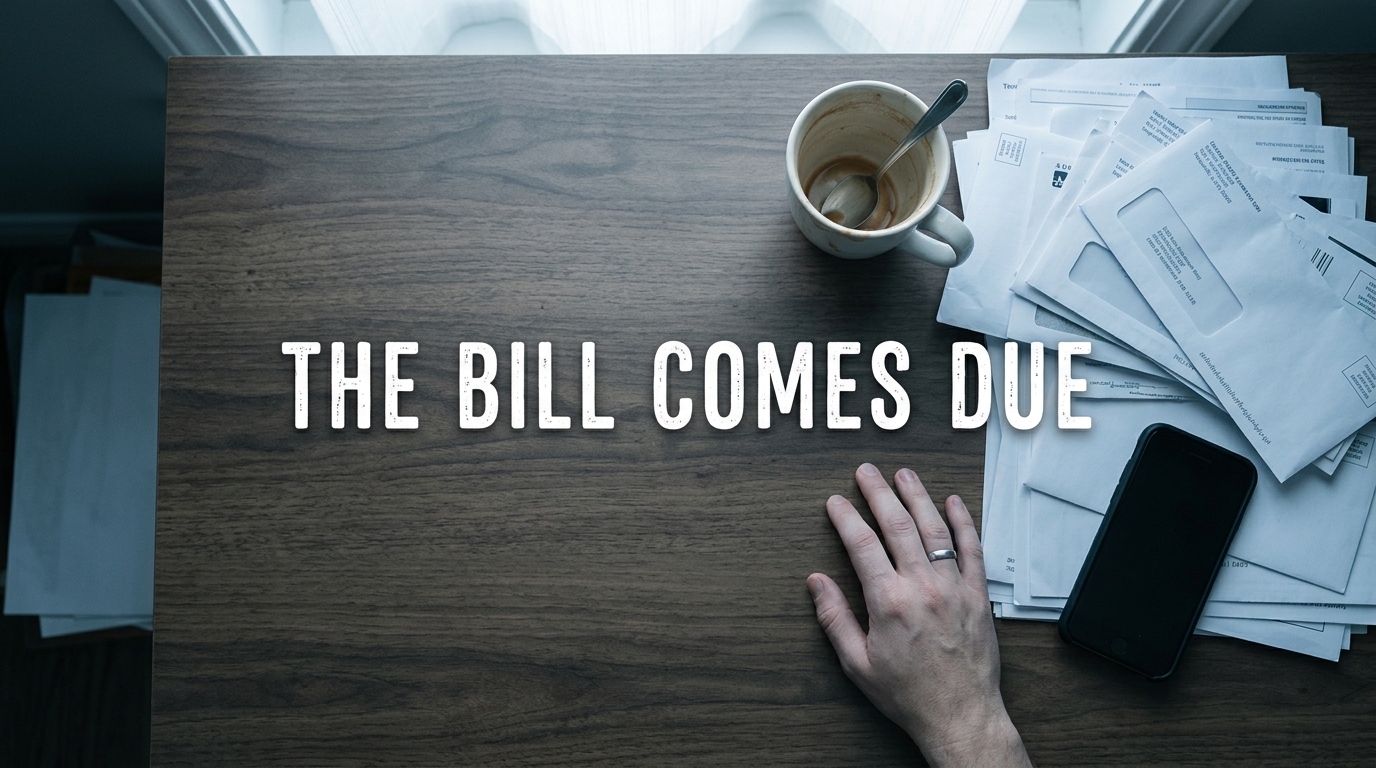
Think of your energy like a credit card. Every late night and skipped break is a charge. For a while, the bill does not come due, so it feels free.
Then the interest hits. You start avoiding tasks not because you are lazy, but because the account is overdrawn and your body is refusing to spend what it does not have. I felt that hesitation before answering emails I used to handle in minutes, and the frustration of watching simple decisions take forever was its own kind of proof. The relief came only after I stopped charging new work to an account that was already empty. Small wins, like finishing one task without dread, came back slowly once I did.
Burnout does not ask permission before sending the bill.
Behavioral withdrawal during burnout is a protective response, not a motivation problem.
What Causes These Burnout Symptoms.
Burnout symptoms build from six root causes: chronic overload, lack of control, insufficient reward, breakdown of support, unfairness, and a mismatch between your values and your role.
- Chronic overload. Your workload consistently exceeds your recovery time.
- Lack of control. You have little say over how or when work gets done.
- Insufficient reward. Effort does not match recognition, pay, or personal satisfaction.
- Breakdown of community. You lose connection with people who used to support you.
- Values mismatch. Your daily tasks conflict with what you actually care about.
These six causes came from research on workplace burnout, but they apply outside of jobs too. Parenting, caregiving, and running a business all carry the same overload and control problems.
Contributing factors like poor sleep, perfectionism, and an all-or-nothing mindset speed up how fast symptoms appear once a root cause is present.
A client once told me she took on a project specifically because it matched her values, then burned out anyway within four months. The values fit was right. The workload was not.
She had zero control over deadlines and no one backing her up when priorities shifted twice a week. That combination, not the type of work itself, drained her. Once she renegotiated deadlines and got one teammate assigned to share the load, her symptoms eased within six weeks.
Burnout stems from six specific conditions, not simply from working too many hours.
Read More Articles from “Mind-Body Integration” category.
The Recovery Deficit.

The Recovery Deficit is the gap between how much you output and how much you actually recover. Burnout symptoms are not random. They are the visible proof that this gap has run for too long.
Your nervous system needs downshifts to reset cortisol and repair attention. When output stays high and recovery stays low, the deficit compounds daily, the same way unpaid interest compounds on a loan. Symptoms are simply the deficit becoming visible.
Start by tracking your output against your recovery for one week, noting hours worked against hours actually spent resting, not just being off the clock. Next, close the smallest gap first, whether that means one earlier bedtime or one canceled non-essential call, instead of trying to fix everything at once. Finally, protect one recovery act daily that nothing is allowed to cancel, because a deficit only shrinks once repayment becomes non-negotiable.
This framework has limits. It works for symptoms tied to workload and recovery. It does not replace treatment if your symptoms overlap with depression, anxiety, or thoughts of self-harm. If low mood follows you even on days off, or basic self-care stops helping after several weeks, talk to a doctor or therapist. Burnout symptoms are real, but they are not always the full picture.
Quick Comparison.
| Stage | Energy Pattern | Response To Rest | What Actually Helps |
|---|---|---|---|
| Ordinary tiredness | Dips after a hard day, rebounds with one good night of sleep. | One night of sleep fully resolves it. | A normal bedtime and one easy day. |
| Early burnout symptoms | Low energy most mornings despite adequate sleep. | Rest helps briefly, then fatigue returns within a day. | Reducing workload, not just adding rest. |
| Established burnout | Persistent exhaustion plus brain fog and physical illness. | A weekend off barely makes a dent. | Structural changes to responsibilities, not vacations. |
| Burnout overlapping with depression | Exhaustion plus persistent low mood in every area of life. | Rest does not touch the low mood. | Professional evaluation alongside workload changes. |
Common Mistakes People Make With Burnout Symptoms.
- Mistake: Waiting for emotional symptoms before taking burnout seriously.
Fix: Track physical symptoms too, since they often show up weeks earlier. - Mistake: Assuming one vacation will resolve months of accumulated deficit.
Fix: Pair time off with a real reduction in ongoing workload. - Mistake: Treating burnout as identical to being lazy or unmotivated.
Fix: Recognize behavioral withdrawal as a protective response, not a character flaw. - Mistake: Thinking that burnout is exclusive to typical office employment.
Fix: Apply the same six root causes to parenting, caregiving, and running a business.
FINAL SUMMARY.
- Physical burnout symptoms like fatigue and frequent illness are often the first sign, not the last.
- The Recovery Deficit explains why symptoms build even when nothing looks technically wrong.
- Behavioral withdrawal during burnout protects depleted resources, it does not cause them.
- Six root causes drive burnout symptoms: overload, control, reward, community, fairness, and values mismatch.
- A single vacation rarely closes a deficit built over months of imbalance.
- Burnout symptoms overlapping with depression need professional evaluation, not just rest.
Your body has been sending you the bill for months. The only question left is whether you keep ignoring the notice or finally open it.
TOP FAQ’s
How do you treat burnout?
Treat burnout by reducing chronic overload, protecting daily recovery, improving sleep, and fixing the workload causing the recovery deficit not just taking time off.
What is the 42% rule for burnout?
The 42% rule isn’t an established burnout guideline. Burnout recovery depends on consistently reducing stress while increasing recovery, not a fixed percentage.
Why do I feel burned out?
You feel burned out when long-term stress exceeds recovery. Your body protects itself with fatigue, brain fog, irritability, and reduced performance.
What are the five symptoms of burnout?
Common burnout symptoms include constant fatigue, brain fog, irritability, frequent illness, and emotional detachment that persist despite rest.
Burnout symptoms test
Ask yourself: Are you constantly tired, mentally foggy, irritable, frequently sick, or losing motivation despite enough sleep? Persistent signs need attention.
Burnout symptoms in women
Women often experience burnout as persistent fatigue, emotional exhaustion, sleep problems, headaches, brain fog, and feeling overwhelmed by daily demands.
Burnout treatment
Effective burnout treatment combines workload changes, structured recovery, quality sleep, stress management, and professional support if symptoms continue.
Burnout symptoms physical
Physical burnout symptoms include ongoing fatigue, frequent illness, headaches, muscle tension, digestive issues, and sleep problems that rest doesn’t fully relieve.
Burnout symptoms Reddit
Many people describe burnout as constant exhaustion, brain fog, loss of motivation, and feeling emotionally disconnected. If symptoms persist, seek professional advice.
Burnout recovery
Burnout recovery starts by closing the recovery deficit with lighter workloads, daily recovery habits, better sleep, and consistent stress reduction over time.
Burnout symptoms vs depression
Burnout mainly relates to chronic stress and work demands. Depression affects all areas of life and often needs professional evaluation beyond lifestyle changes.
Burnout symptoms at work
Workplace burnout shows up as poor focus, procrastination, lower productivity, irritability, emotional detachment, and feeling exhausted before the day ends.
Can burnout cause physical symptoms?
Yes. Chronic stress can trigger fatigue, headaches, muscle tension, digestive problems, sleep disruption, and more frequent illness.
How long does burnout recovery take?
Recovery depends on severity. Mild burnout may improve in weeks, while established burnout often requires months of workload and lifestyle changes.
Can you recover from burnout without quitting your job?
Yes. Many people recover by reducing workload, improving recovery habits, setting boundaries, and addressing the root causes instead of leaving immediately.