I used to ask why am I so stressed until I traced it to five hidden triggers most people miss. Here is what actually causes it and how I calm it fast.
Table of Contents
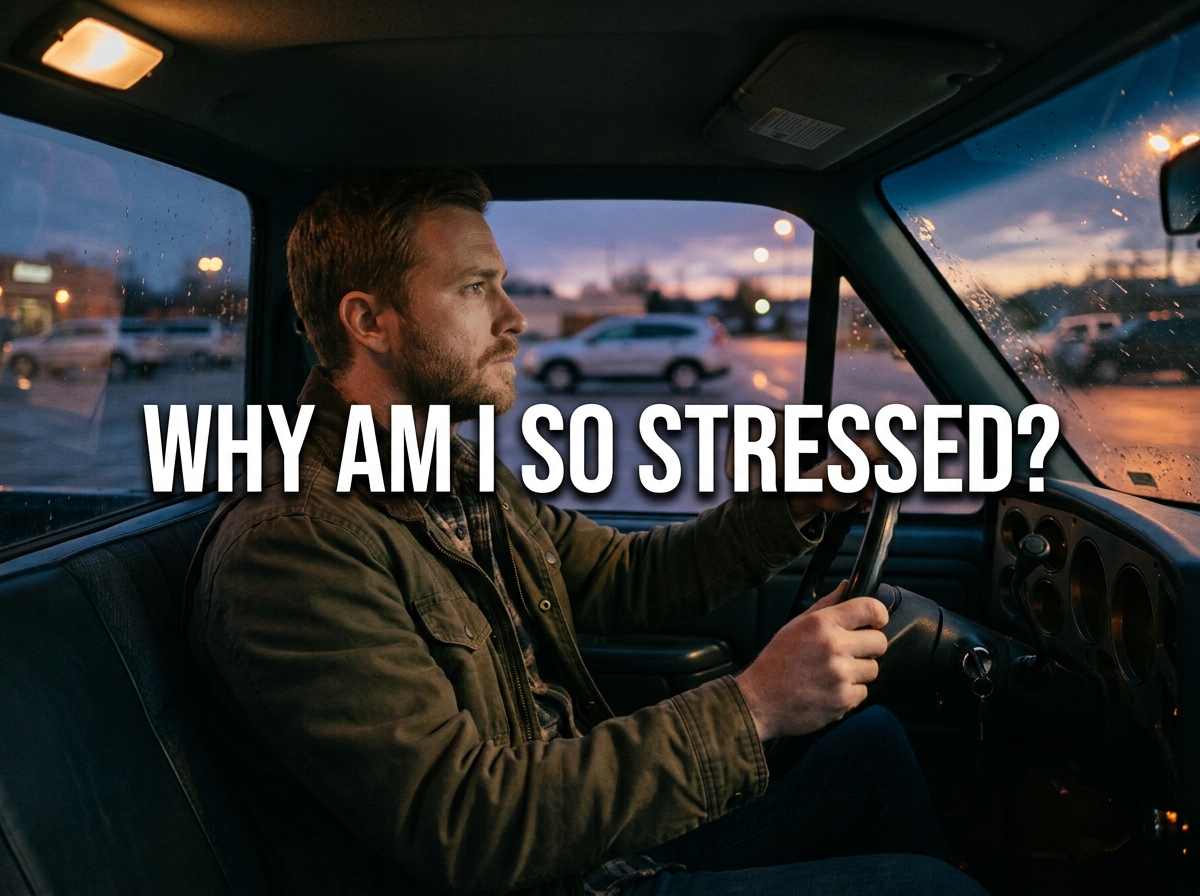
I sat in my truck outside a job site last month and could not remember why I drove there. My chest felt tight, my jaw was locked, and I had three unread messages I was too tired to open. That morning I finally asked myself why am I so stressed, and the answer surprised me.
You feel this way because your brain keeps detecting threats that never fully switch off, not because you are weak or doing life wrong. Work pressure, poor sleep, blood sugar swings, and constant notifications all feed the same alarm system in your brain. Once that alarm stays on too long, your body treats ordinary tasks like emergencies.
Stress is your body’s physical and mental reaction to a demand it sees as bigger than its resources. It starts in the brain, moves through your hormones, and shows up as tension, worry, or fatigue. Short bursts of tension are normal. It becomes a problem when it stays switched on long after the trigger is gone.
KEY TAKEAWAYS.
- Your stress response is controlled by your hypothalamus, not by willpower alone.
- Chronic stress means your fight or flight system never fully shuts off.
- Hidden triggers like poor sleep and blood sugar swings often matter more than workload.
- Cortisol released for too long disrupts digestion, memory, and sleep quality.
- Acute stress sharpens focus while the chronic kind wears down your body over time.
- Paced breathing lowers your heart rate within about 60 seconds.
- Persistent physical symptoms with no clear cause deserve a doctor’s attention.
Why Am I So Stressed? The Causes Hiding In Plain Sight.
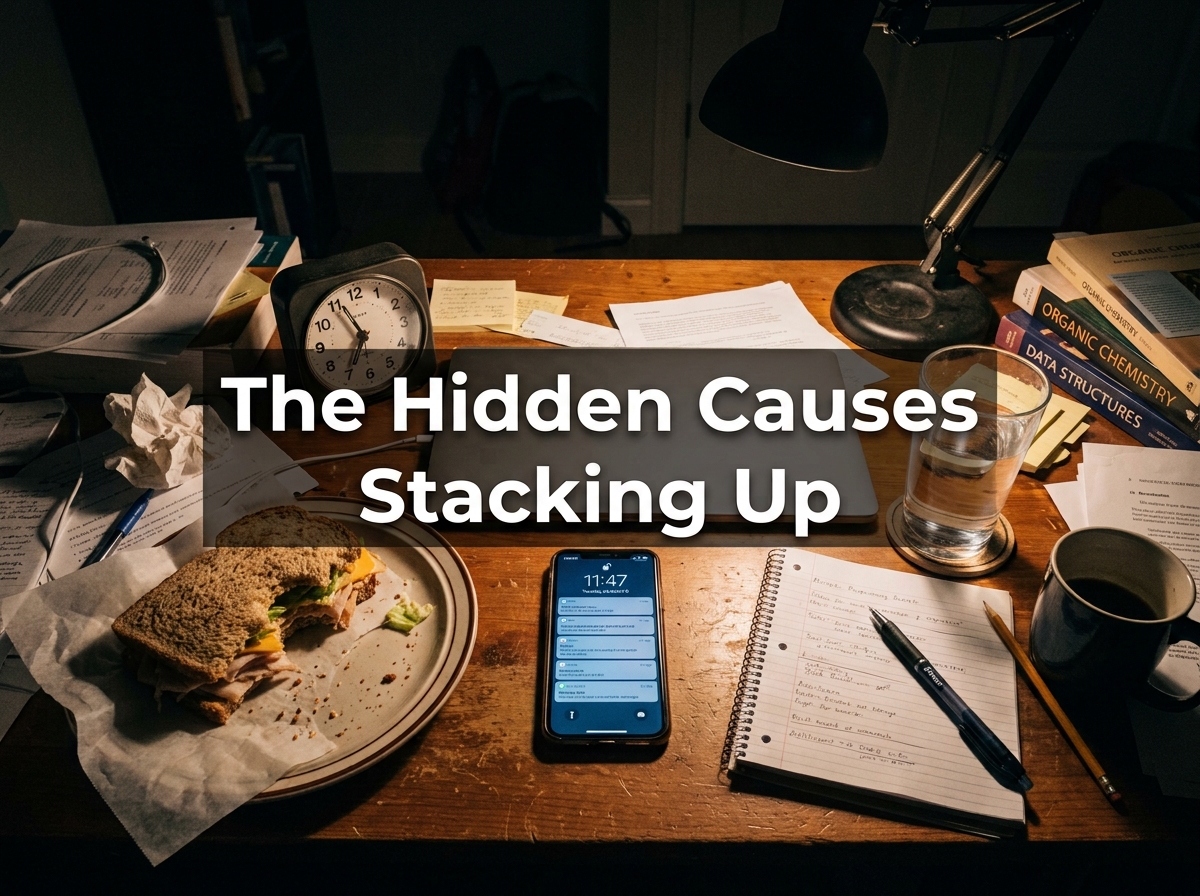
You feel this way because several small triggers stack on top of each other until your nervous system stays on alert. Work is rarely the only cause.
- Poor sleep timing: Going to bed at different hours confuses your cortisol rhythm and keeps your alarm system active.
- Skipped or sugary meals: Blood sugar crashes mimic a threat and spike stress hormones.
- Constant notifications: Every ping pulls your attention and restarts your body’s alert response.
- Unprocessed emotional triggers: Old frustration or fear resurfaces during ordinary moments and adds hidden load.
- Zero recovery time: Back to back demands with no rest keep cortisol elevated for days.
why am i so stressed ? Most people blame one big source for their stress, like a heavy workload. In reality, stress builds from small inputs that pile up quietly through the day. A skipped breakfast, a late night, and one sharp email can stack into a single wave.
None of those triggers alone would overwhelm you. Stacked together, they force your nervous system to respond as if danger never left.
How to Reset Nervous System: A Simple Guide.
Two winters ago I had a hotel booking dispute and a delayed concrete delivery on the same Tuesday don’t know why am i so stressed. Neither problem was huge alone. But by 3 PM my hands were shaking and I snapped at a supplier over something small. I had skipped lunch, slept five hours, and answered forty messages before noon. The dispute did not break me. The stack did. Once I started eating on schedule and putting my phone away for the first hour of the day, that same kind of Tuesday stopped feeling like a crisis. The problems did not shrink. My baseline load did.
Stress rarely comes from one event. It comes from several small demands your brain never gets to close out.
why am i so stressed: How Chronic Stress Works Inside Your Body.
This pattern works by keeping your hypothalamus, adrenal glands, and cortisol levels locked in an active loop long after the danger has passed.
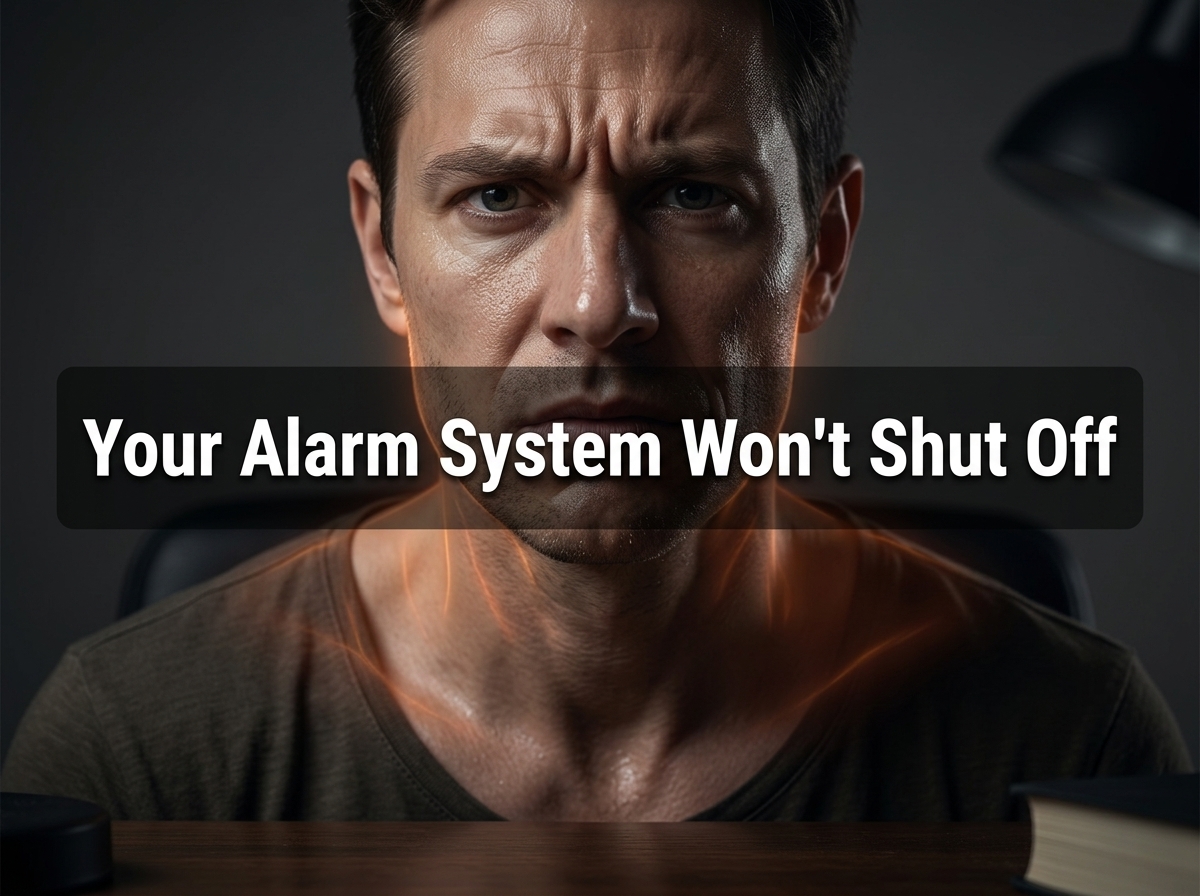
- Your hypothalamus sounds the alarm: It reads a stressful thought the same way it reads real danger.
- Adrenaline speeds up your heart: This gives you quick energy for short term action.
- Cortisol raises your blood sugar: Extra fuel helps you respond fast in the moment.
- The loop should reset: In chronic stress it does not, so hormone levels stay high.
- High cortisol disrupts sleep and digestion: Your body starts running on borrowed energy.
Acute stress is not the enemy. It sharpens your focus, speeds your reaction time, and then fades once the moment passes.
That balance breaks down under repeated demand. Your alarm system stays lit even during ordinary tasks like replying to email or driving to work. Over weeks, that constant activation wears down memory, digestion, and sleep quality faster than most people expect.
In training, you cannot push maximum weight every day and expect your body to keep adapting. Muscles need a deload week to get stronger. Your nervous system works the same way. I learned this after three months of six day training weeks stacked on twelve hour job sites. My lifts stalled and small annoyances started feeling like emergencies. The fix was not less effort. It was real recovery, the same way I program a deload week for my legs. Your brain needs a deload too, or it stays stuck in high alert.
Cortisol released for hours does what it should. Cortisol released for weeks starts working against you.
why am i so stressed ? Signs Your Stress Has Become Chronic.
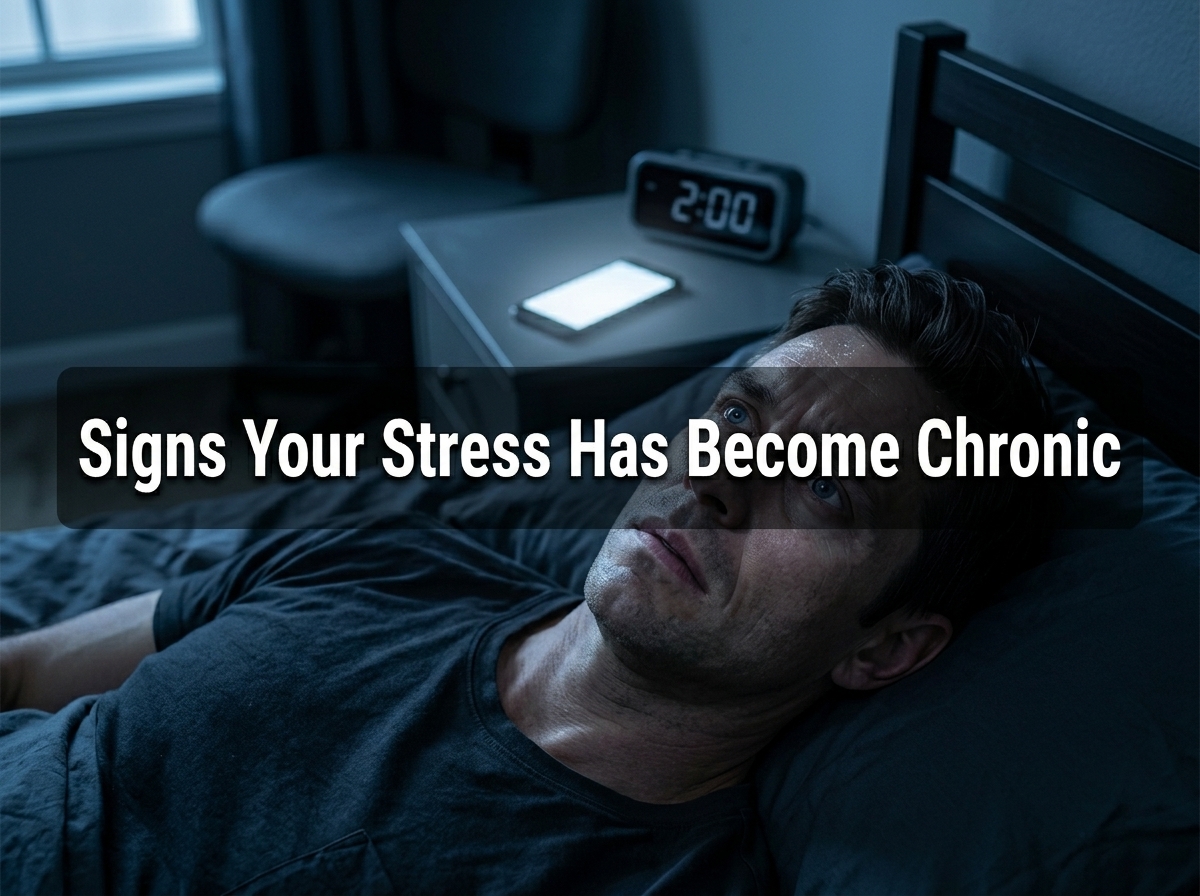
You can tell it has become chronic when physical tension and racing thoughts show up even when nothing urgent is happening.
- Tight chest or jaw: Muscles stay braced even during rest because cortisol never fully drops.
- Racing thoughts at night: Your mind replays problems because your alarm system will not power down.
- Digestive changes: Stomach pain or bloating often signal a stress response, not a food issue.
- Feeling wired but exhausted: High cortisol keeps you alert while sleep debt drains your energy.
- Irritability over small things: A minor delay feels like a crisis because your baseline load is already high.
It rarely announces itself with one dramatic symptom. It shows up as a string of small signals your body sends over weeks. You might notice you are short with people you love, or a delayed email now feels like an emergency. Those reactions are not personality flaws. They are your nervous system running with no reserve left.
Burnout Symptoms: What Your Body Tells You First
A friend who manages a restaurant told me she started crying in her car before every Friday shift, for no clear reason. When we broke it down, she had not taken a full day off in six weeks and was running on coffee and adrenaline. The tears were not about one bad shift. They were the release valve for six weeks of unprocessed pressure. Once she blocked one real rest day, the Friday crying stopped within two weeks. Her situation had not changed. Her recovery had.
A racing mind at 2 AM is often your nervous system finishing a job it never got to close during the day.
why am i so stressed : How To Calm Your Stress Response Right Now.
You calm your stress response by signaling safety to your nervous system through breath, movement, and structured recovery, not by trying to think your way out of it.
- Slow your exhale: Breathing out longer than you breathe in activates your body’s calming nerve.
- Move for ten minutes: Walking helps burn off circulating adrenaline and cortisol faster than sitting still.
- Name what you feel: Labeling an emotion out loud reduces activity in your brain’s alarm center.
- Protect your sleep window: Going to bed at the same time resets your cortisol rhythm within days.
- Build in real rest: Schedule downtime the same way you schedule work, not as an afterthought.
Quick techniques help in the moment, but they do not fix a schedule with zero recovery. Long term calm comes from consistent sleep, steady meals, and real boundaries around your time. Regular movement trains your body to recover from those hormones faster, the same way training builds physical strength.
Breathing exercises calm you in minutes. Consistent sleep and real boundaries are what keep you calm.
Why Do I Feel Numb? 7 Powerful Signs You Ignore
why am i so stressed: The Signal Reset Loop.
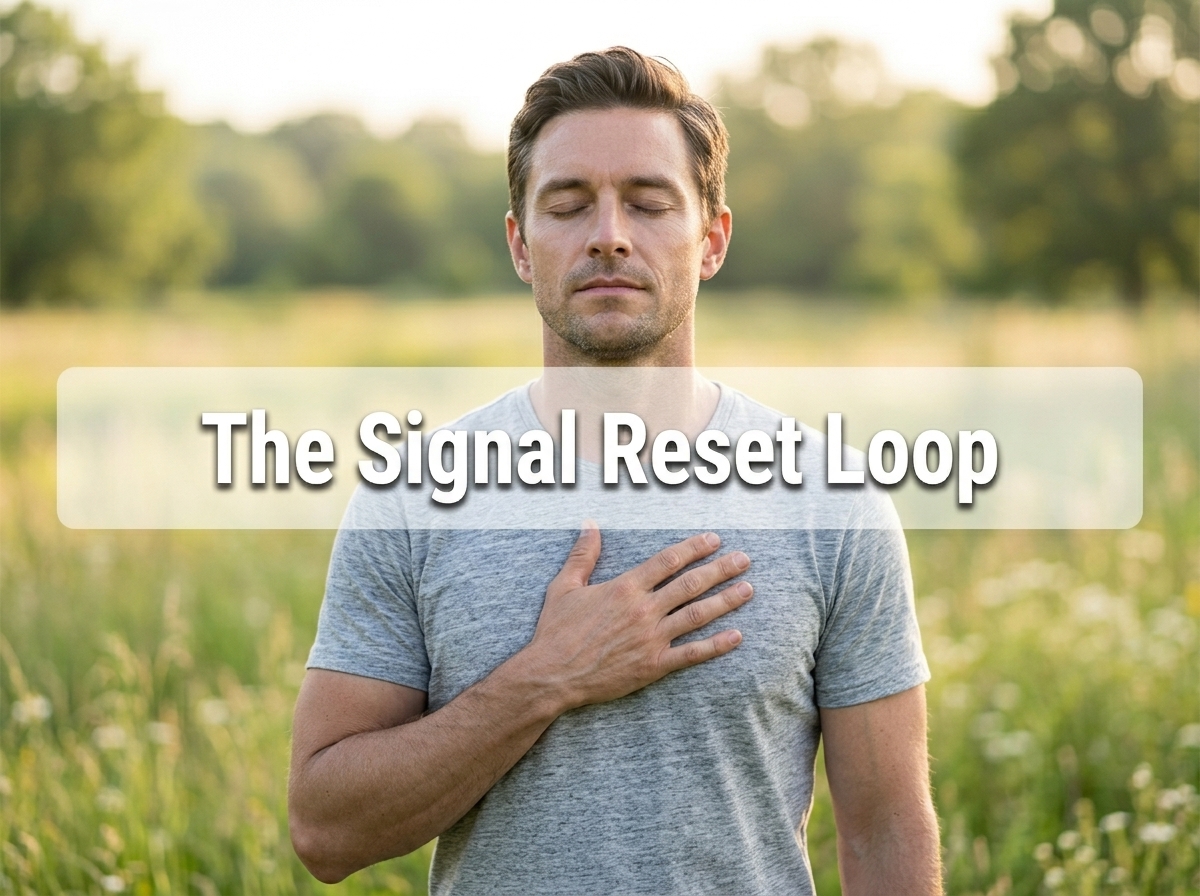
The Signal Reset Loop is the pattern I use to bring my nervous system back to baseline after a stress spike. It has three parts: interrupt, discharge, and recover.
It works because your brain needs a clear signal that the threat has passed before it will lower cortisol. Breathing and movement give that signal fast. Scheduled recovery time keeps it from spiking again the next day.
First, interrupt the spiral with one slow exhale longer than your inhale, done for about a minute. Second, discharge the built up adrenaline with ten minutes of walking or light movement outside. Third, protect one real recovery block in your day, even fifteen minutes with no phone, so your body gets the deload it needs.
Quick Comparison
| State | Trigger Pattern | Body’s Response | What Helps Most |
|---|---|---|---|
| Acute Stress | One clear event, like a deadline or near miss | Short cortisol and adrenaline spike, then reset | Let it pass, breathe, move on |
| Chronic Stress | Repeated demands with no recovery | Cortisol stays elevated for weeks | Scheduled rest, sleep consistency |
| Anxiety | Often no clear external trigger | Persistent alert state, future focused worry | Grounding, professional support if ongoing |
| Burnout | Prolonged unmanaged chronic stress | Emotional exhaustion, detachment, low motivation | Extended recovery, workload change |
why am i so stressed: Common Mistakes People Make With Chronic Stress.
Mistake: Waiting for a big reason before taking it seriously.
Fix: Track small daily inputs like sleep and meals instead of waiting for a crisis.
Mistake: Fighting fatigue with more caffeine.
Fix: Address the sleep debt causing the fatigue instead of masking it.
Mistake: Trying to think your way calm.
Fix: Use breath and movement first, since your body needs a physical signal, not just logic.
Mistake: Treating rest as optional.
Fix: Schedule recovery blocks the same way you schedule meetings.
Why Am I So Lazy? The Hidden Recovery Mistake.
FINAL SUMMARY.
- Stress becomes a problem when your alarm system stays on after the trigger passes, not because you are broken.
- Hidden triggers like poor sleep and blood sugar swings often drive more stress than your actual workload.
- Acute stress sharpens focus. The chronic kind slowly wears down memory, digestion, and sleep.
- Your body needs a clear physical signal, like breath or movement, before cortisol will actually drop.
- Real recovery time is not a reward for finishing work. It is what prevents chronic stress in the first place.
- Persistent physical symptoms with no clear medical cause are worth a real conversation with a doctor.
Most people will read this and still skip their next real rest block. That is the honest problem, not a lack of information. Pick one part of the Signal Reset Loop and use it today.
Written by Bippy (Md. Rishad Hasan Bippy), founder of liveoptimum.com and creator of the Optimum Loop, writing on physical and mental performance development through personal experience.
why am i so stressed FAQ’S
-
Why am i so stressed all the time for no reason?
Often it is not one thing. Poor sleep, skipped meals, and constant notifications stack quietly until your nervous system stays on alert without a clear cause.
-
What are 5 warning signs of stress?
Tight muscles, racing thoughts at night, stomach issues, feeling wired but tired, and snapping over small things are common signs of chronic stress.
-
How to reduce chronic stress?
Protect consistent sleep, eat regular meals, move daily, and schedule real recovery time instead of waiting until you crash.
-
How to relieve stress quickly?
Breathe out longer than you breathe in for one minute, then walk for ten minutes. Both signal your nervous system that the danger has passed.
-
I feel stressed all the time and do not know why, what is happening to me?
Your alarm system is likely stuck on from stacked small triggers, not one big cause. That is common, and it is fixable with consistent recovery.
-
Why do I feel stressed even when nothing bad is happening?
Chronic stress keeps cortisol elevated even without a current threat, so your body stays braced from leftover, unresolved pressure.
-
Is it normal to feel stressed every single day?
Some daily stress is normal. Feeling stressed every day with no relief usually means your recovery time is too low for your demands.