
Table of Contents
Learn how to build a growth oriented recovery mindset after injury practical steps, journal prompts, and a checklist to rebuild stronger mentally and physically.
The moment arrives without warning: a sudden twist, a sharp pain, and the sickening realization that something is wrong. For many injured athletes and patients, the physical damage is only the beginning. The weeks or months that follow often bring frustration, setbacks, and the nagging question: “Will I ever get back to where I was?” This is where a growth oriented approach becomes not just helpful, but essential.
A growth oriented recovery mindset is the belief that your abilities, resilience, and recovery outcomes can improve through effort, learning, and adaptation. Rather than viewing injury as a fixed limitation or personal failure, this mindset frames rehabilitation as an opportunity to develop new strengths, deepen self awareness, and emerge more resilient. The central thesis is simple but powerful: your mindset during recovery directly influences your physical outcomes, adherence to treatment, and long term wellbeing. By cultivating growth oriented thinking, you transform injury from a dead end into a detour with valuable lessons along the way.
What “Growth Oriented” Means in Recovery ?
The term “growth mindset” comes from decades of psychological research showing that people who believe their abilities can develop through dedication outperform those who view talent as fixed.
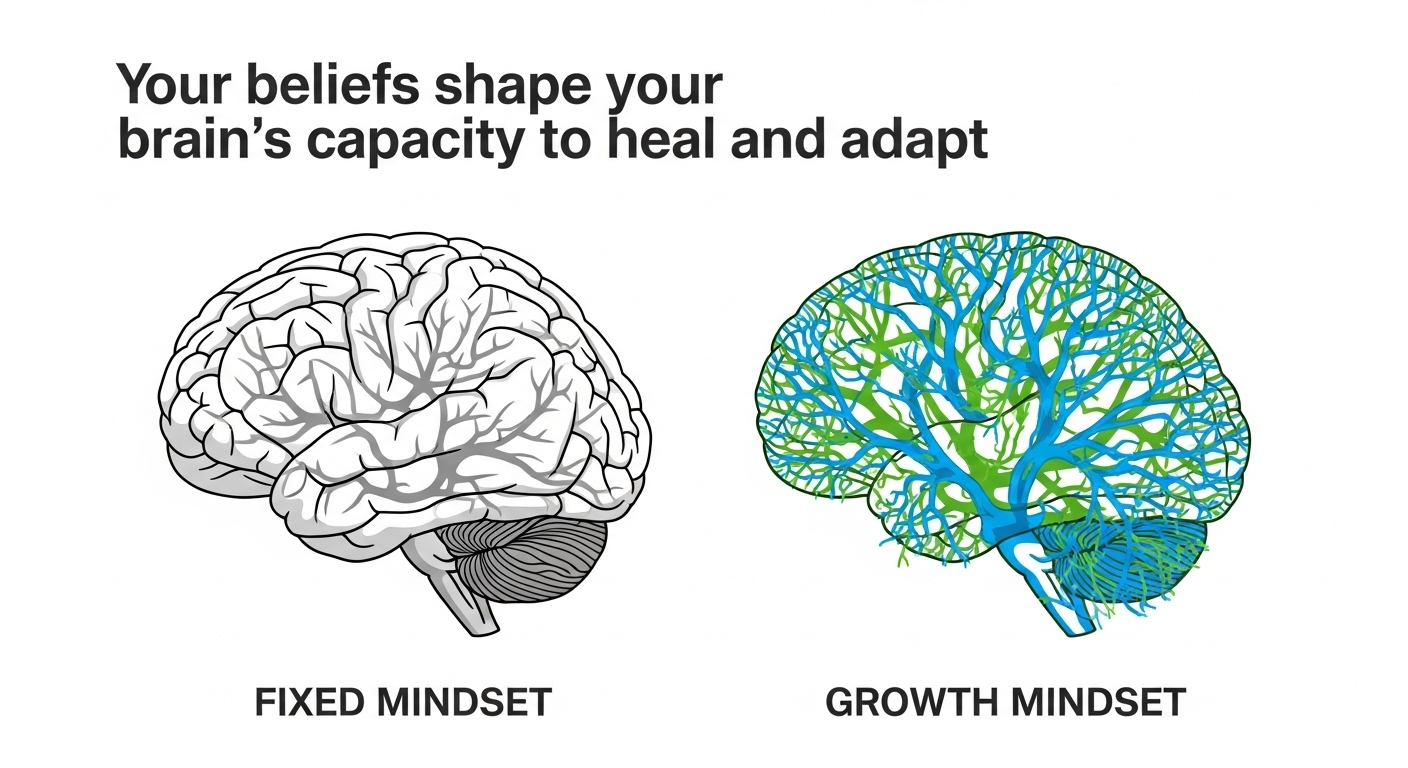
In the context of injury recovery, a growth oriented perspective means treating rehabilitation not as punishment or mere restoration, but as active skill building
.Here’s how growth oriented thinking contrasts with a fixed mindset in rehab:
Fixed Mindset in Recovery Growth Oriented Mindset in Recovery Impact on Behavior”My body has failed me””My body is adapting and learning”Increases engagement with rehab exercises”Setbacks mean I’m not healing””Setbacks provide feedback for adjustment”Maintains motivation through plateaus”I should be better by now””Progress happens at different rates”Reduces destructive self criticism.
When you adopt a growth oriented recovery mindset, pain becomes information rather than evidence of weakness. Slow progress becomes data rather than proof of inadequacy. This cognitive shift creates space for patience, curiosity, and persistent effort, the very qualities that predict successful rehabilitation.
Why Mindset Matters for Physical Recovery?
The connection between mental attitude and physical healing is not merely motivational folklore; it operates through specific psychological and biological pathways. Research consistently demonstrates that patients with a growth oriented approach to rehabilitation show measurably better outcomes.

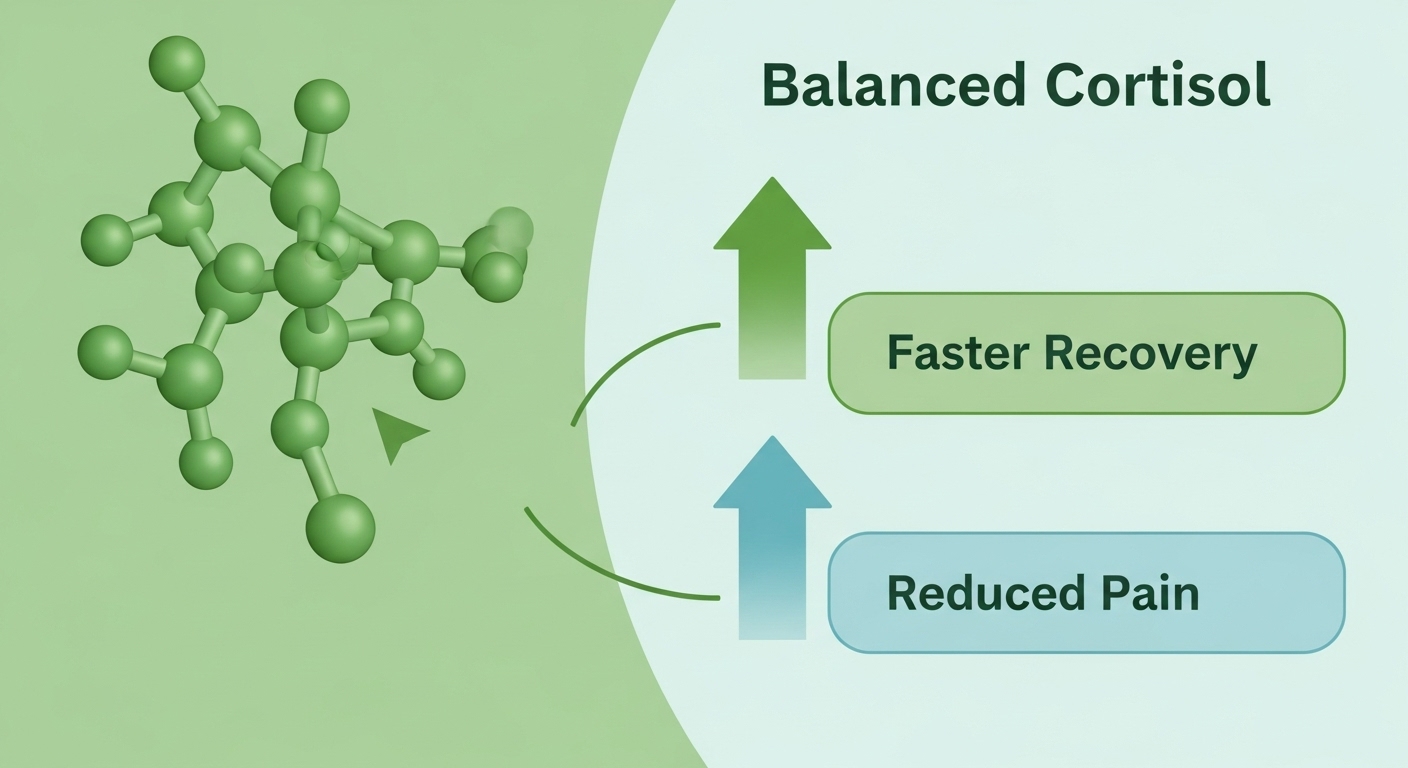
First, mindset directly affects adherence. When you believe effort produces results, you’re significantly more likely to complete home exercises, attend all therapy sessions, and follow medical protocols even when progress feels slow. Second, growth oriented thinking reduces the stress and anxiety that can actually slow healing by elevating cortisol and inflammatory markers.
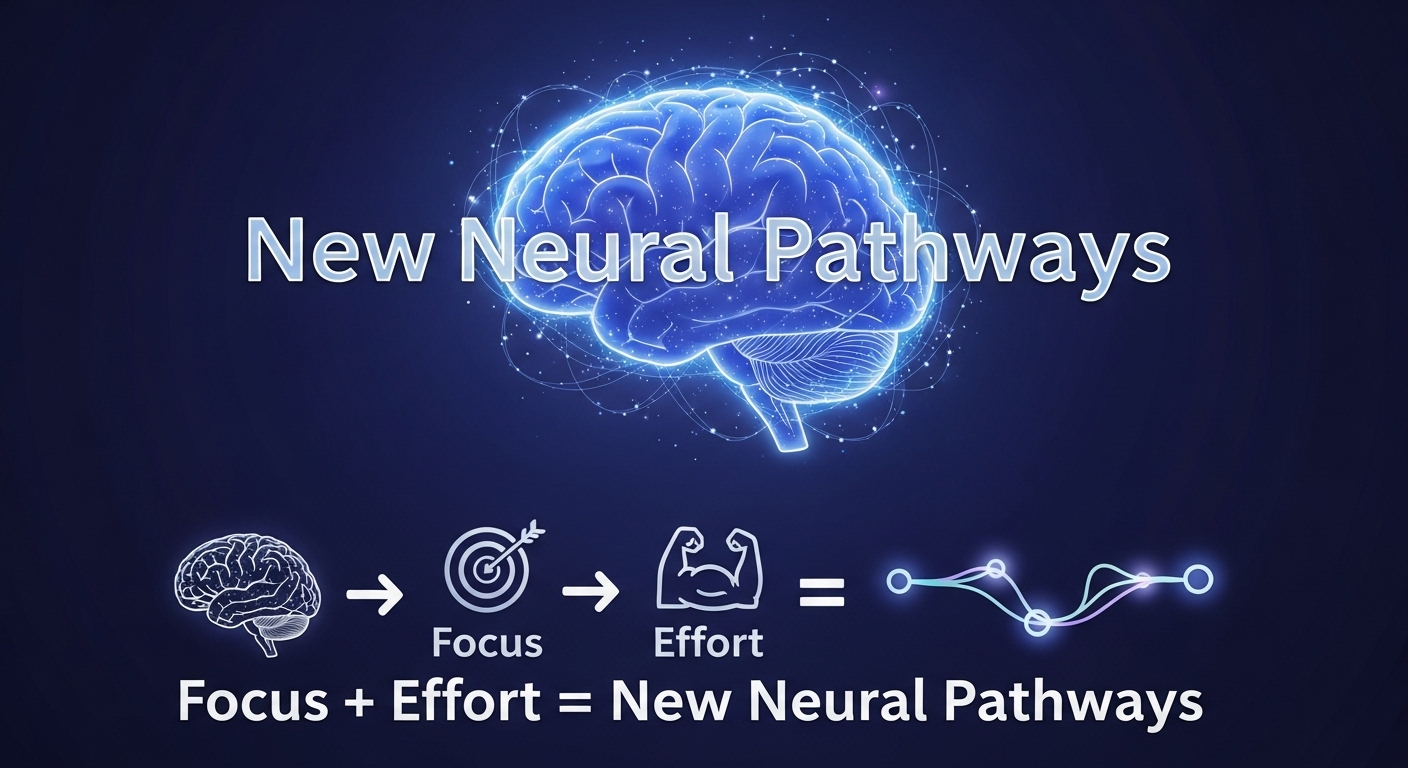
Third, an injury recovery mindset that emphasizes learning engages neuroplasticity more effectively. Your brain reorganizes neural pathways during rehabilitation, and engagement, attention, and belief in improvement all enhance this adaptive process.
Fourth, growth after injury often extends beyond the injured tissue, people develop compensatory strength, refined movement patterns, and mental toughness that serve them long after recovery.
Key benefits of a growth oriented recovery mindset include:
- Improved compliance with rehabilitation protocols.
- Faster return to baseline function in many cases.
- Reduced risk of re-injury through better body awareness.
- Lower rates of depression and anxiety during recovery.
- Enhanced ability to adapt to permanent limitations when necessary.
- Development of coping skills applicable to future challenges.
The mental recovery after injury is not separate from the physical process, it’s interwoven with it at every level.
Actionable Steps to Build a Growth Oriented Recovery Mindset.
Acceptance & Reframe.
The first step in developing a growth oriented approach is paradoxical: accept fully where you are right now. Acceptance doesn’t mean resignation; it means acknowledging reality without adding layers of judgment or resistance. When you fight against the fact of injury, you waste cognitive and emotional energy that could fuel recovery.
Once you’ve accepted the injury, consciously reframe it. Instead of “This injury ruined my season,” try “This injury is creating space to address weaknesses I’ve ignored.” This reframing transforms your rehabilitation zone from a punishment into a learning laboratory. Consider: what has your injury forced you to notice about your body, your training, or your life balance? That awareness is valuable data for becoming more resilient and growth oriented going forward.
Set Process Oriented Goals.
Outcome goals (“be fully healed in eight weeks”) often backfire because they’re not entirely within your control and create all or nothing thinking. A growth oriented framework emphasizes process goals, actions you can execute regardless of immediate results.
Examples of process oriented goals include: “Complete all prescribed exercises five days this week,” “Ask my physical therapist two questions about my movement patterns,” or “Journal about my recovery experience for ten minutes daily.” These micro goals build agency and create frequent success experiences that fuel motivation.

Track these process goals in a recovery journal, noting effort rather than just outcomes. When you document consistent effort, you create evidence of your growth oriented commitment, which becomes self reinforcing during difficult periods.
Learn From Setbacks.
Setbacks during rehabilitation are nearly universal, yet they trigger vastly different responses depending on mindset. A fixed mindset interprets setbacks as evidence of failure or inadequacy. A growth oriented perspective treats them as feedback requiring investigation and adjustment.
When you experience a setback, increased pain, reduced range of motion, or disappointing test results, pause before reacting emotionally. Ask yourself: “What information is this setback providing?” Perhaps you’ve progressed too quickly, need to modify technique, or require additional support in a specific area. Each setback is a problem to solve rather than a verdict on your worth or potential.
Reflection prompts after setbacks:
- What was different about my routine or intensity before this setback?
- What could I ask my care team to help me understand what happened?
- What’s one small adjustment I can test this week?
This investigative approach embodies mental recovery after injury by treating your rehabilitation as an evolving experiment rather than a pass/fail test.
Broaden Identity Beyond Injury.
One of the greatest psychological risks during recovery is allowing injury to completely define you. When your entire identity collapses into “injured runner” or “the patient,” you lose access to other sources of meaning, competence, and joy. A growth oriented identity remains multifaceted even during injury.
Deliberately invest time in roles and activities unrelated to your injury. If you were an athlete, perhaps explore a creative hobby, deepen relationships, or learn something entirely new.
This isn’t distraction, it’s maintaining psychological richness and reminding yourself that your value extends far beyond any single capability.
Identity expansion exercise: List ten ways to complete this sentence: “I am someone who…” Include only three related to your injured activity or body part. The remaining seven remind you of your broader self, which supports resilience during rehabilitation and represents truly growth oriented thinking.
Build a Supportive Environment.
Your mindset doesn’t develop in isolation, it’s shaped significantly by your social and professional support system. A growth oriented recovery mindset thrives when your physical therapist, coach, family, and peers reinforce learning, effort, and incremental progress rather than only praising outcomes or speed.
Communicate explicitly with your care team about your growth oriented approach. Ask them to help you identify small improvements, explain the “why” behind exercises (which increases engagement), and discuss what’s normal versus concerning. Many clinicians welcome this collaborative stance and will adjust their communication to support your mental framework.
Seek out peer communities, whether online forums or in person support groups, where others share growth oriented attitudes about recovery. Surrounding yourself with people who normalize setbacks, celebrate small wins, and maintain long term perspective provides daily reinforcement of resilience during rehabilitation.
Also read “Change Your Life in 10 Minutes: Effortless Recovery Hack.”
Mind Body Practices.
Growth after injury isn’t purely cognitive, it involves integrating body awareness and regulation practices that support both physical and mental recovery. Visualization techniques, for instance, activate similar neural pathways as physical movement and can maintain motor patterns during immobilization phases.
Spend five minutes daily visualizing yourself performing movements correctly and pain free. Make the visualization detailed: what do you see, feel, and hear? This mental rehearsal is a growth oriented practice that prepares your nervous system for actual movement.
Breathing practices reduce the stress response that impedes healing. Try box breathing (four counts in, hold four, four out, hold four) for three minutes before therapy sessions to arrive in a calm, focused state. Quality sleep and anti inflammatory nutrition also directly support the biological processes of tissue repair.
Build Resilience & Maintenance Habits.
A truly growth oriented recovery mindset includes planning for long term maintenance and potential setbacks after initial healing. Many people work intensely during formal rehabilitation, then abandon supportive practices once symptoms improve, leading to re injury or gradual decline.
Create a maintenance plan before you’re fully healed: What exercises will you continue? How will you monitor for early warning signs? What will you do if you notice minor symptoms returning? This proactive approach reflects growth oriented thinking by treating recovery as an ongoing process rather than a destination with a finish line.
Schedule periodic check ins with your physical therapist even after discharge, perhaps every three to six months, to assess movement quality and address compensations before they become problems. This maintenance mindset is how growth after injury translates into lasting resilience and improved baseline function.
Stories & Examples.
Maya’s Story (Composite): Maya, a collegiate soccer player, tore her ACL during pre season. Initially devastated and convinced her athletic career was over, she began working with a sports psychologist who introduced growth oriented principles. Rather than fixating on her return date, Maya set weekly process goals: master single leg balance progressions, learn about knee biomechanics, and document one positive observation about her body daily. She broadened her identity by volunteering as an assistant coach, which kept her connected to soccer while developing new skills. Eight months post surgery,
Maya returned to play with enhanced body awareness and a growth oriented recovery mindset that made her more adaptable than before injury. She later credited the mental tools from rehabilitation as more valuable than the physical strengthening.
James’s Experience (Composite): James, a 52 year old weekend runner, developed chronic Achilles tendinopathy that refused to resolve despite months of treatment. His fixed mindset, “I should just accept I’m getting old and give up running” kept him stuck. After adopting a growth oriented framework with his physiotherapist, James began viewing his injury as feedback about running mechanics and training volume. He learned proper load management, addressed ankle mobility deficits he’d ignored for years, and gradually returned to pain free running. The injury recovery mindset shift transformed not just his Achilles problem but his entire approach to training and aging.
Common Pitfalls & Fixes.
Even with good intentions, several traps can undermine your growth oriented recovery mindset:
Pitfall: Comparing your recovery timeline to others or average statistics. Fix: Focus exclusively on your own week to week progress; every body heals differently.
Pitfall: Interpreting pain fluctuations as evidence of failure. Fix: Learn to distinguish between harmful pain and normal rehabilitation discomfort; document patterns with your therapist.
Pitfall: Abandoning growth oriented practices once you feel better. Fix: Build maintenance habits into your weekly routine permanently.
Pitfall: Neglecting the emotional dimension of injury. Fix: Acknowledge grief, frustration, and fear as normal; consider working with a mental health professional if these emotions become overwhelming.
Pitfall: Over optimizing and becoming obsessive about recovery. Fix: Balance intentional effort with rest and non injury related activities.
Pitfall: Ignoring small wins while fixating on what’s still limited. Fix: Keep a weekly “wins journal” noting three things that improved, no matter how minor.
Quick Checklist & Journal Prompts.
Your Growth Oriented Recovery Checklist:
- I’ve set at least three process oriented goals for this week.
- I’m tracking effort and consistency, not just outcomes.
- I have one identity expanding activity unrelated to my injury.
- I’ve asked my care team one curious question about my recovery.
- I’ve practiced acceptance and reframing at least once today.
Journal Prompts to Deepen Your Growth Oriented Mindset:
- What has this injury taught me about my body that I didn’t know before?
- Describe one small improvement I’ve noticed this week and what it suggests about my capacity to heal.
- If I treated this setback as useful feedback, what would it be telling me?
Conclusion.
Developing a growth oriented recovery mindset transforms injury from a crisis into a catalyst. By embracing learning over perfection, process over outcomes, and resilience over speed, you don’t just heal, you evolve. The mental recovery after injury often yields gifts that extend far beyond the injured tissue: deeper self knowledge, refined movement skills, and unshakeable confidence in your adaptive capacity.
Your immediate action is simple: choose one element from this article, perhaps a single journal prompt or process goal and implement it today. That small step initiates the growth oriented cycle that will carry you through rehabilitation and beyond. Remember, recovery is not about returning to who you were before injury; it’s about becoming someone stronger, wiser, and more resilient. Your injury is not the end of your story it’s the chapter where you learn you can rebuild.
TOP 15 FAQS
-
What is a growth-oriented person?
A growth oriented person views challenges as opportunities to learn, adapt, and improve rather than as failures or limitations.
-
What is the definition of growth-oriented?
Growth oriented means believing that skills and outcomes can improve through consistent effort, reflection, and learning.
-
Is growth-oriented hyphenated?
Yes, “growth-oriented” is hyphenated when used as an adjective before a noun, like “growth-oriented recovery mindset.”
-
What is a growth-oriented attitude?
It’s an approach that embraces setbacks as feedback, stays curious during challenges, and focuses on progress over perfection.
-
Growth-oriented person.
Someone who continuously learns from experiences, applies feedback, and develops new strengths through intentional effort.
-
Growth-oriented meaning.
It means fostering continuous improvement, adapting to obstacles, and maintaining a belief in personal development.
-
Growth-oriented synonym.
Similar terms include development-focused, improvement-driven, or learning-oriented.
-
Growth-oriented examples.
Tracking process goals, learning from injury setbacks, and reframing challenges as lessons are practical examples.
-
Growth-oriented mindset.
A belief system that views recovery or performance as a process of learning, not a test of innate ability.
-
Growth-oriented company meaning.
A company focused on innovation, adaptability, and long-term improvement through learning and continuous development.
-
Growth-oriented language.
Phrases like “I’m learning,” “I can improve,” or “Setbacks are feedback” reflect growth-oriented language in action.
-
Growth-oriented approach.
It’s a strategy that emphasizes process goals, reflection, and resilience instead of fixed outcomes or rigid timelines.
-
How does a growth-oriented mindset help in recovery?
It boosts motivation, reduces stress, and helps patients follow rehab plans consistently, leading to faster, lasting recovery.
-
How do you build a growth-oriented recovery mindset?
Accept your current state, reframe setbacks as feedback, set process goals, and track consistent effort daily.
-
What is the benefit of a growth-oriented recovery approach?
It improves healing speed, builds resilience, prevents re-injury, and turns recovery into lasting self growth.